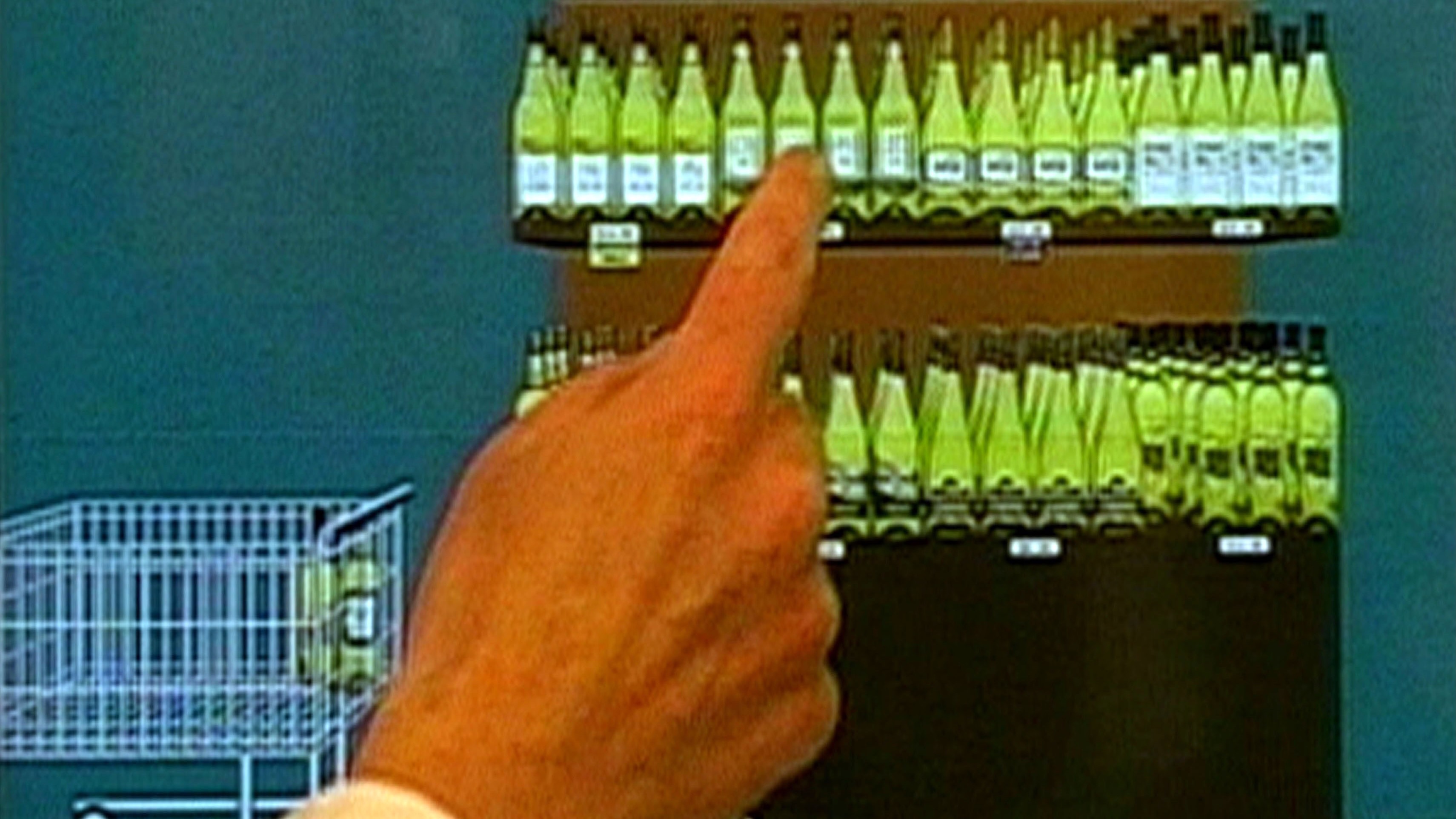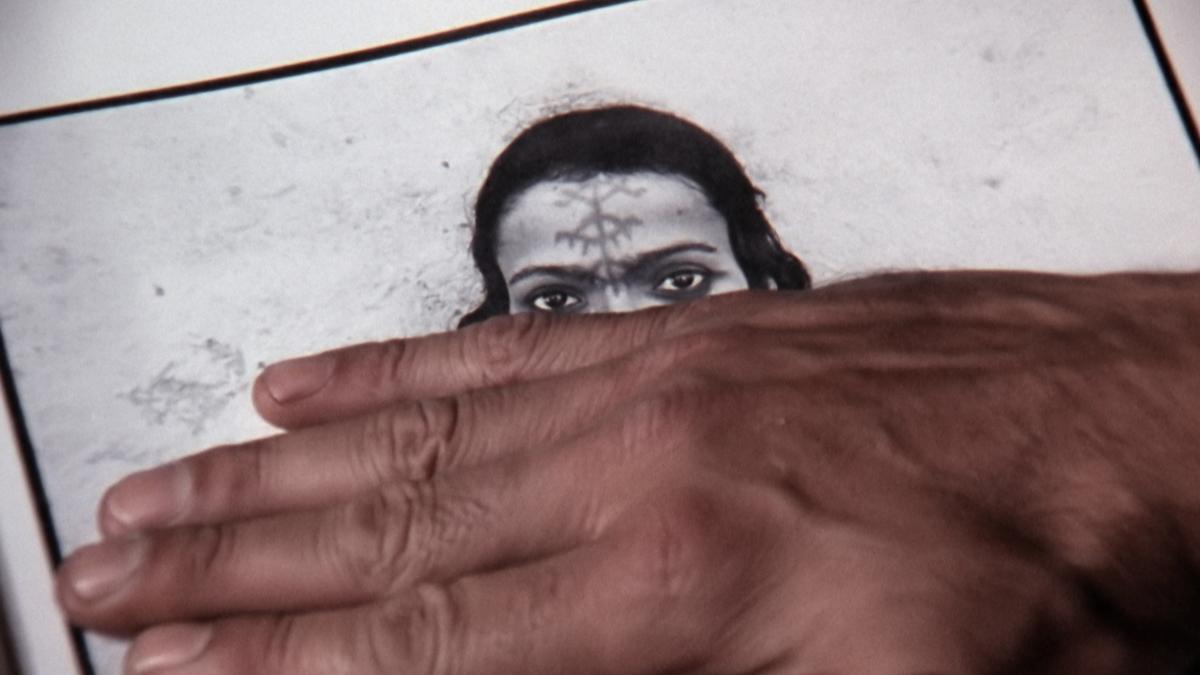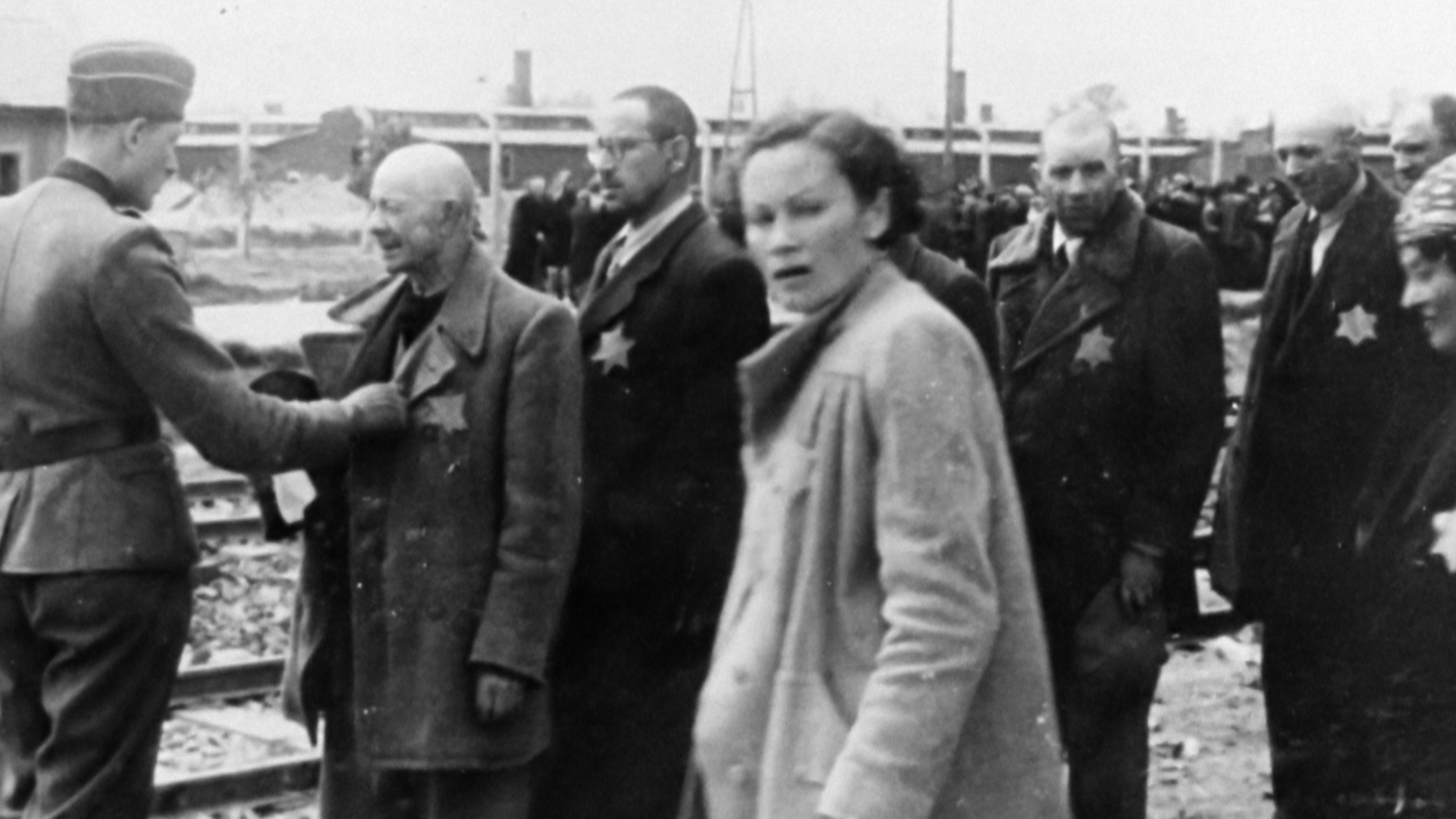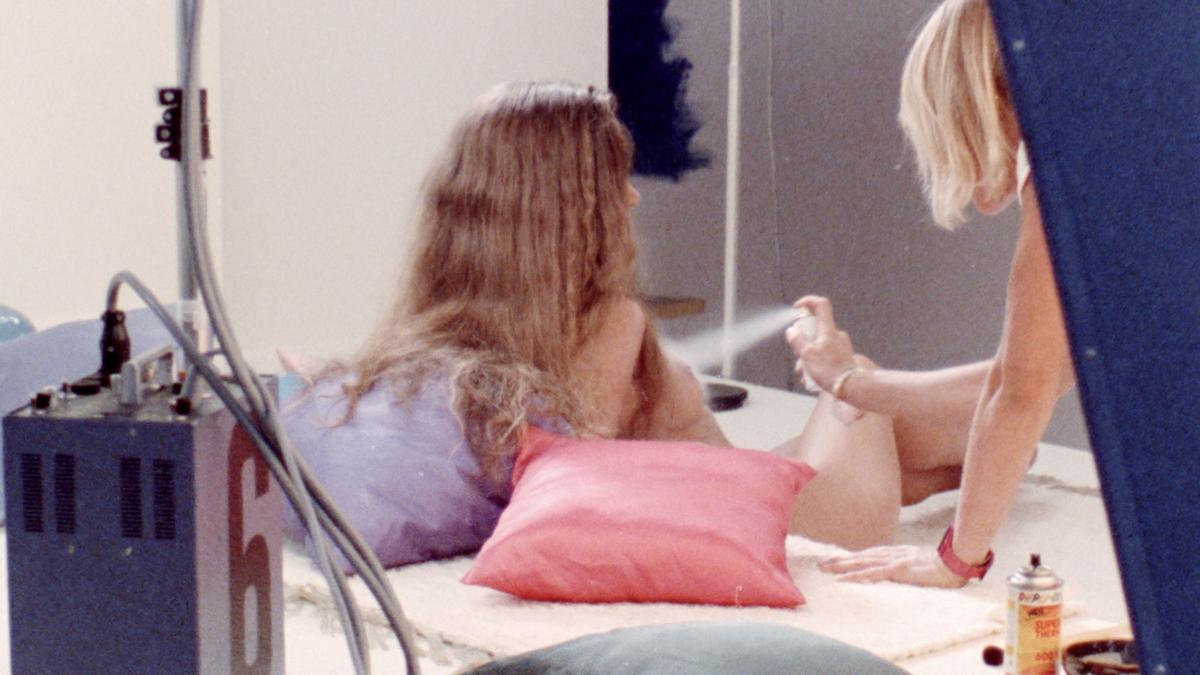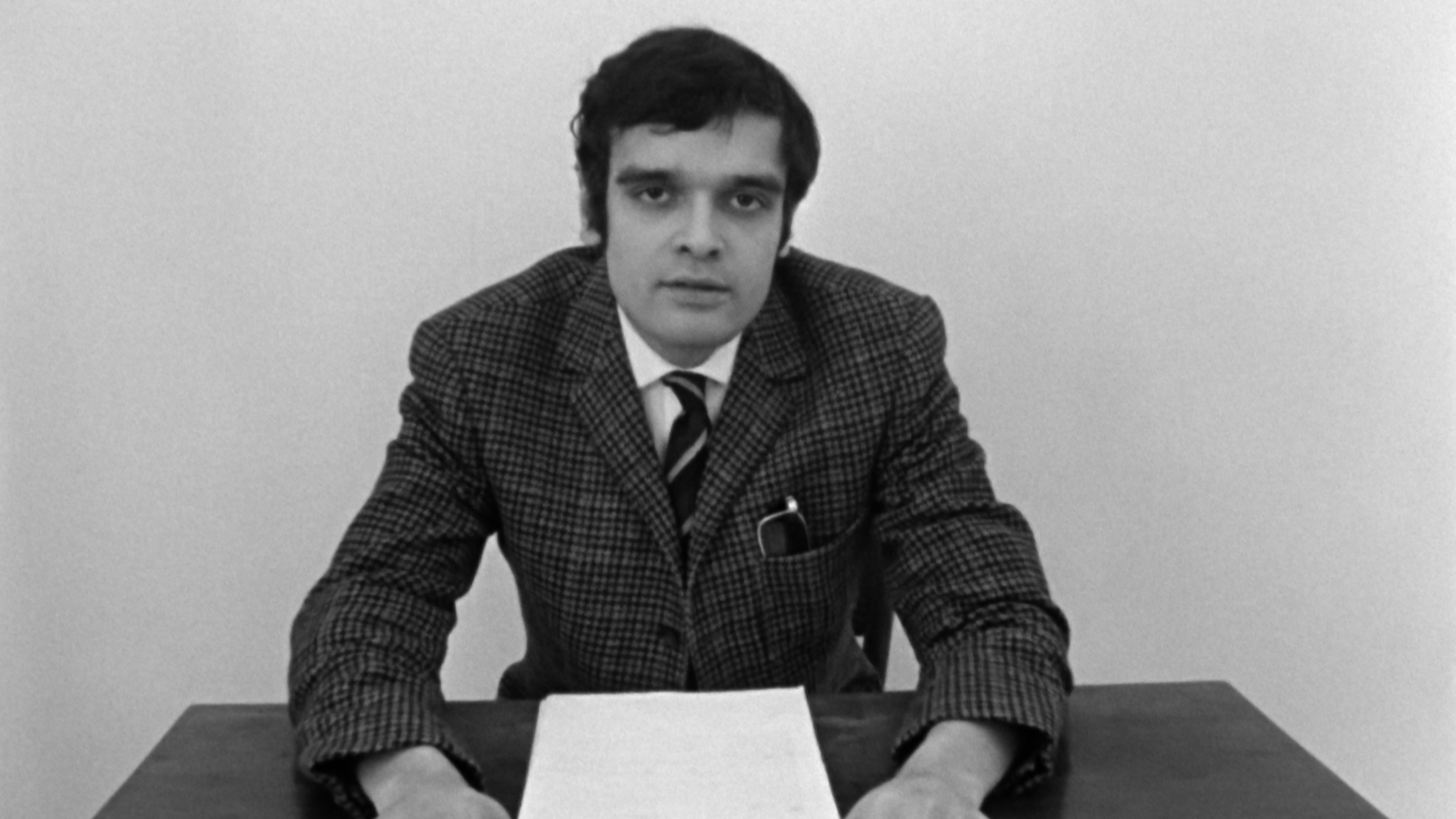
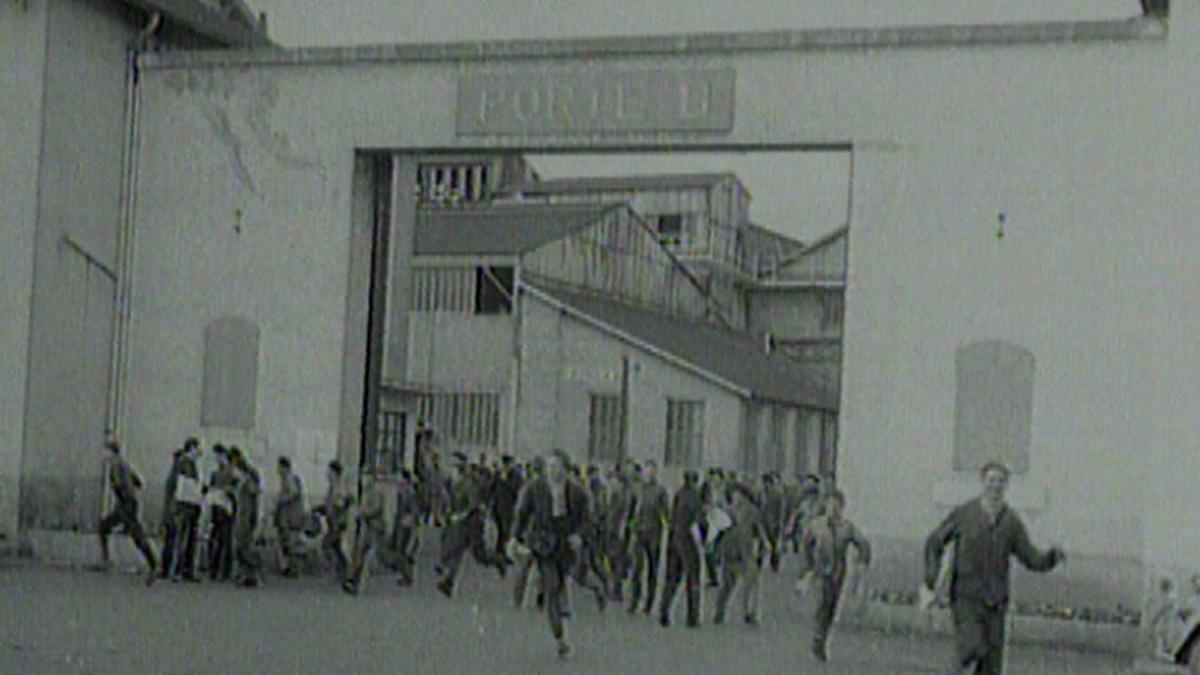
The gates of the Lumière brothers’ photographic products factory in Lyon open, and men and women pour out into the afternoon sun. Such was the subject of the first film ever shown to a paying audience in 1895. Since then, the scene has been reenacted time and again, “like a child who repeats its first word for 100 years to immortalize its pleasure in that first repeated word”, Farocki observes.
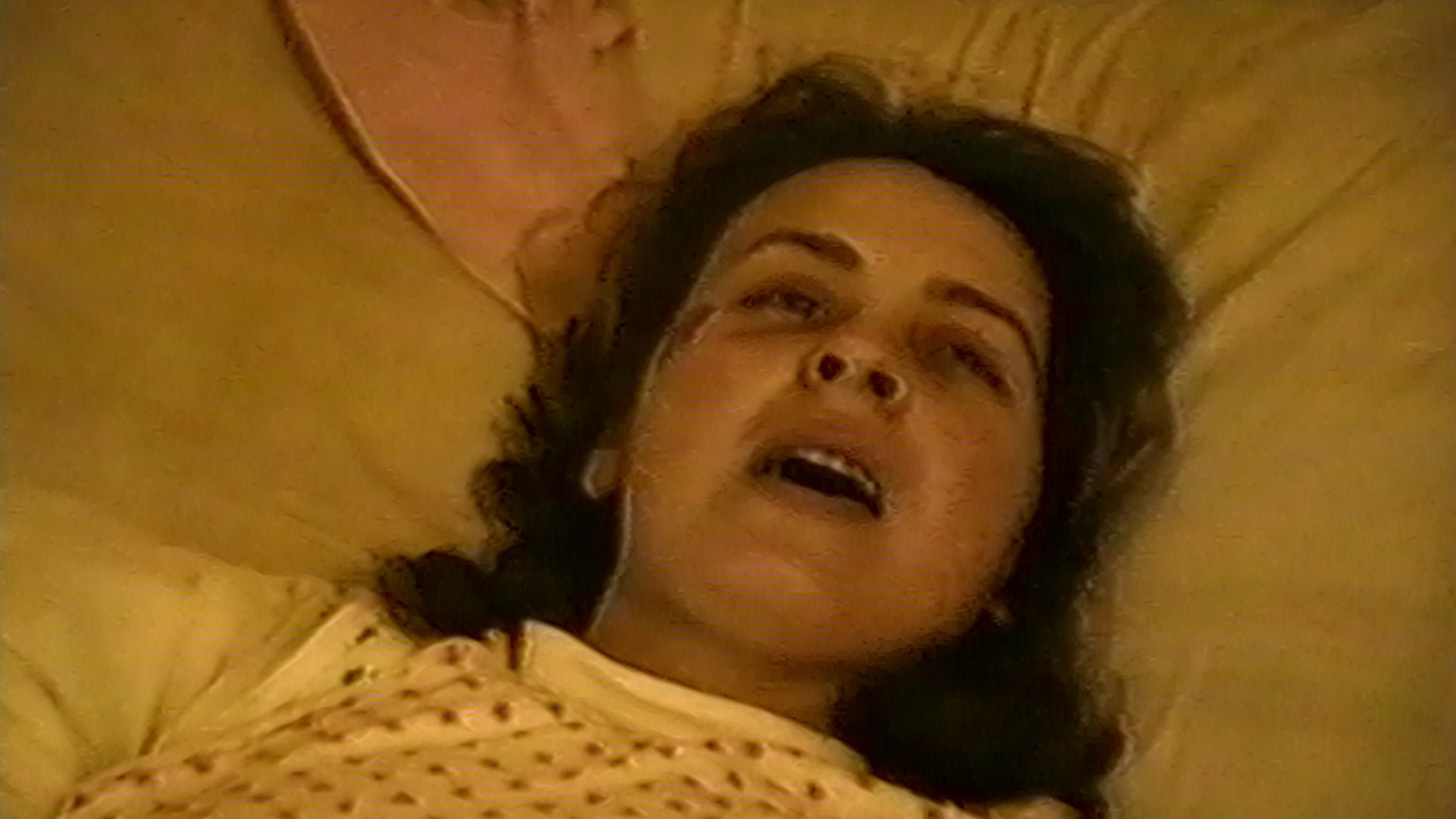
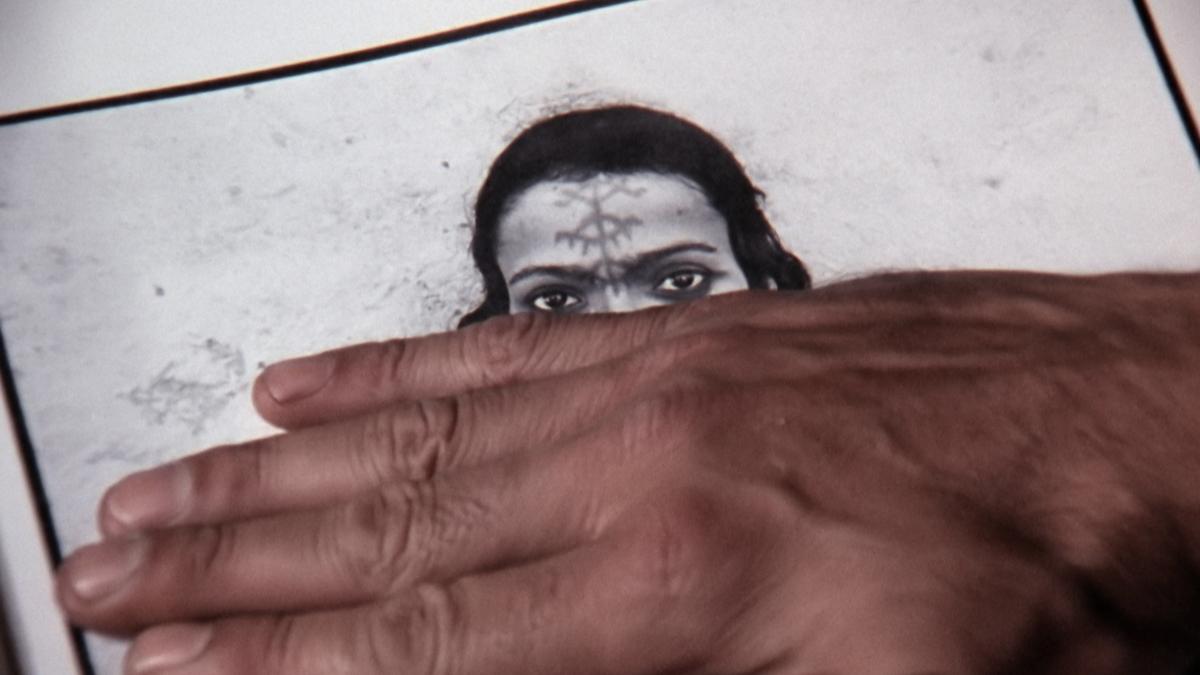
Drawing on archival documentary footage and sequences from the work of Fritz Lang, Charlie Chaplin, Pier Paolo Pasolini, and others, Farocki investigates how the factory and its workers have been represented throughout cinema history. Moving across different genres, this essay film assembles a careful montage of images that reveal the deep entanglement between the histories of cinema and industrial capitalism.
"The film Workers leaving the Lumière factory in Lyon (1895) by the brothers Louis and Auguste Lumière is forty-five seconds long and shows the roughly one hundred workers at the factory for photographic goods in Lyon-Montplaisir leaving the factory through two gates and exiting the frame to both sides. Over the past twelve months, I set myself the task of tracking down the theme of this film, workers leaving the workplace, in as many variants as possible. Examples were found in documentaries, industrial and propaganda films, newsreels, and features. I left out TV archives which offer an immeasurable number of references for any given keyword as well as the archives of cinema and television advertising in which industrial work hardly ever occurs as a motif – commercial film’s dread of factory work is second only to that of death."
Harun Farocki
"Farocki is an intensely serious filmmaker, but Workers Leaving the Factory has elements of wry humour, with his voiceover framing Chaplin’s confrontation with police outside the gates in Modern Times (1936) as a matter of “personal honour” in a dry response to the Little Tramp’s clowning. Mostly, though, Farocki asks why film – feature or documentary – has been so reluctant to engage with processes of labour, mostly functioning as escapism from the things that occupy most of our time, even when it is dealing with traumatic subjects."
Juliet Jacques / The Quietus
"The poignancy in the Lumières’s early films, however primitive, is that they captured a moment in time, however brutal. The workers emerging from their factory were bursting with life, hurrying off in every direction. They are distinct, individual, and excited to be finished with work for the day. Certainly, this all is a matter of conjecture yet the austerity of Farocki’s intentions surrender up the individual to larger, more complex political arguments. Indeed, these endless processions summon up the modern production line, spitting out the human refuse used in the making of an endless array of products."
Robert Moeller / Hyperallergic