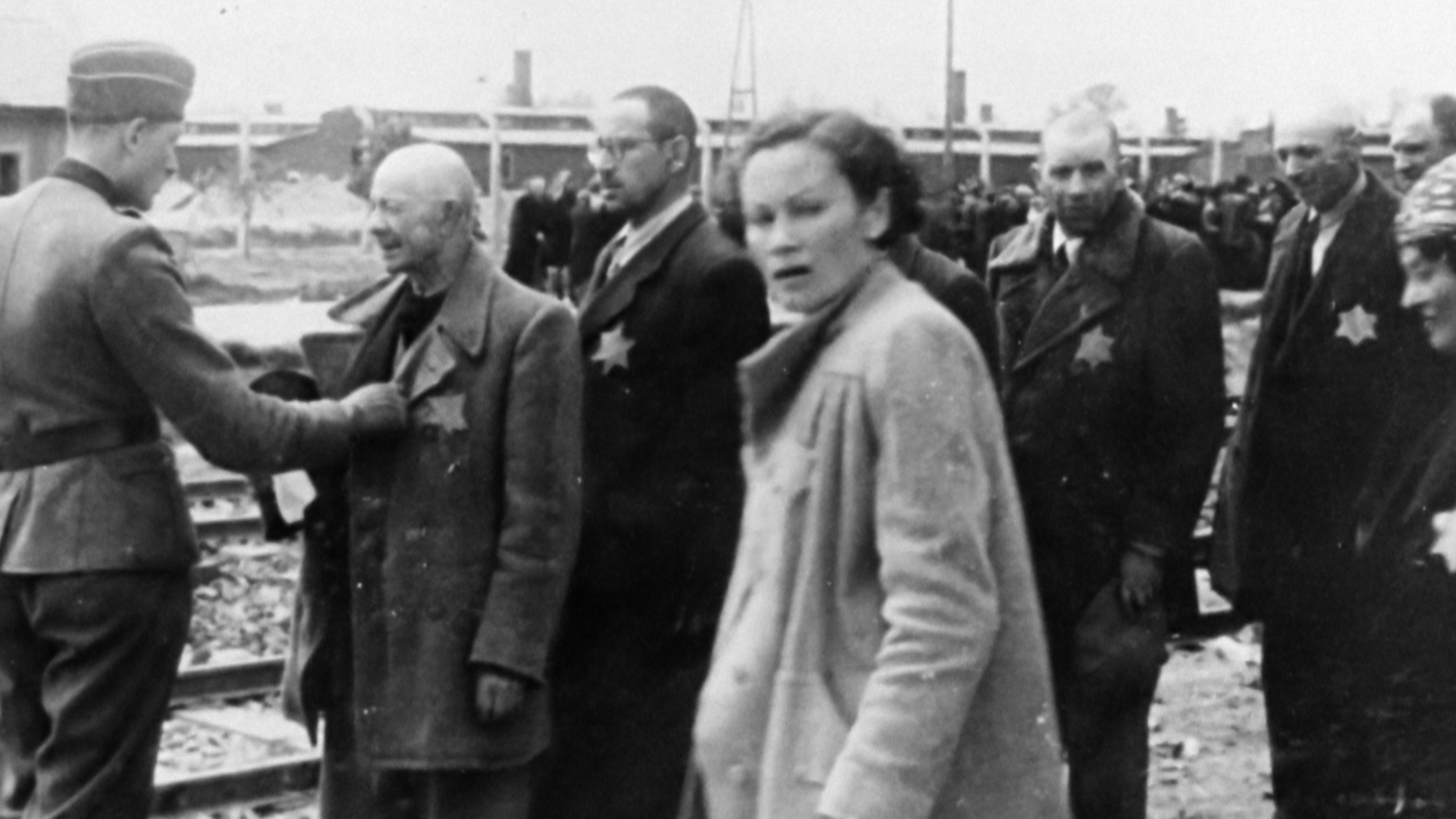
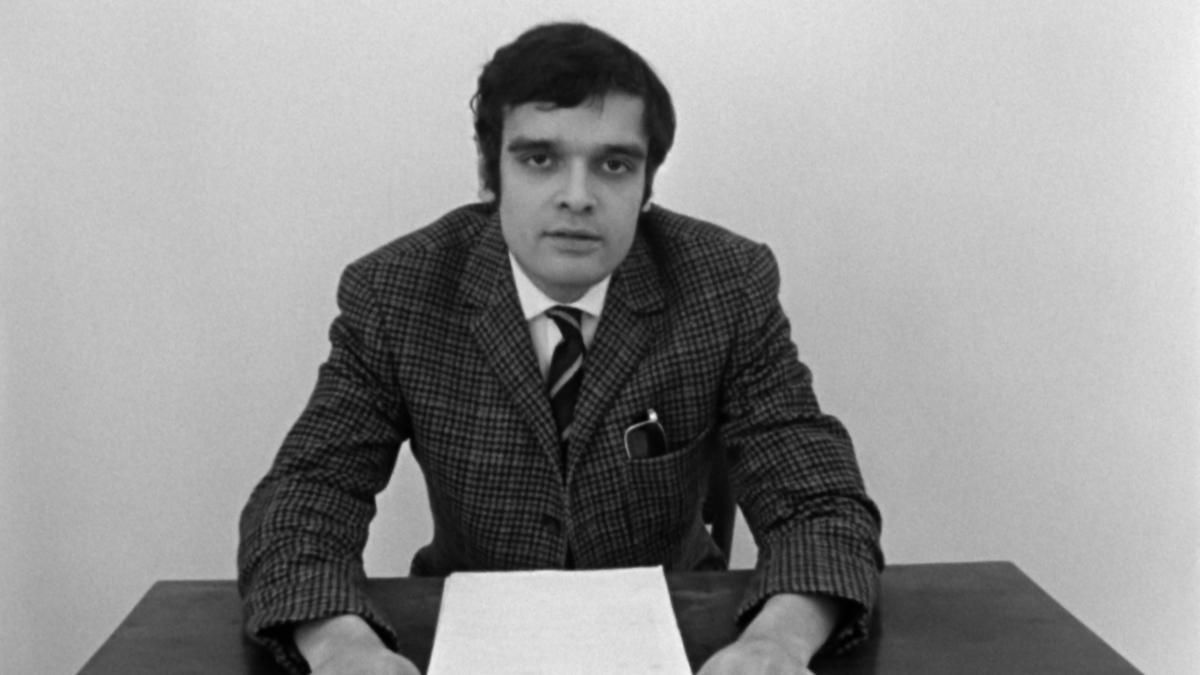
An investigative essay film in which Harun Farocki dissects the complex interrelation between the military and the chemical industry. "When we show you pictures of napalm victims, you'll shut your eyes. You'll close your eyes to the pictures. Then you'll close them to the memory. And then you'll close your eyes to the facts”, Farocki states at the beginning of the film. The guiding question, therefore, is how to depict the cruelty of napalm without making the viewer look away.
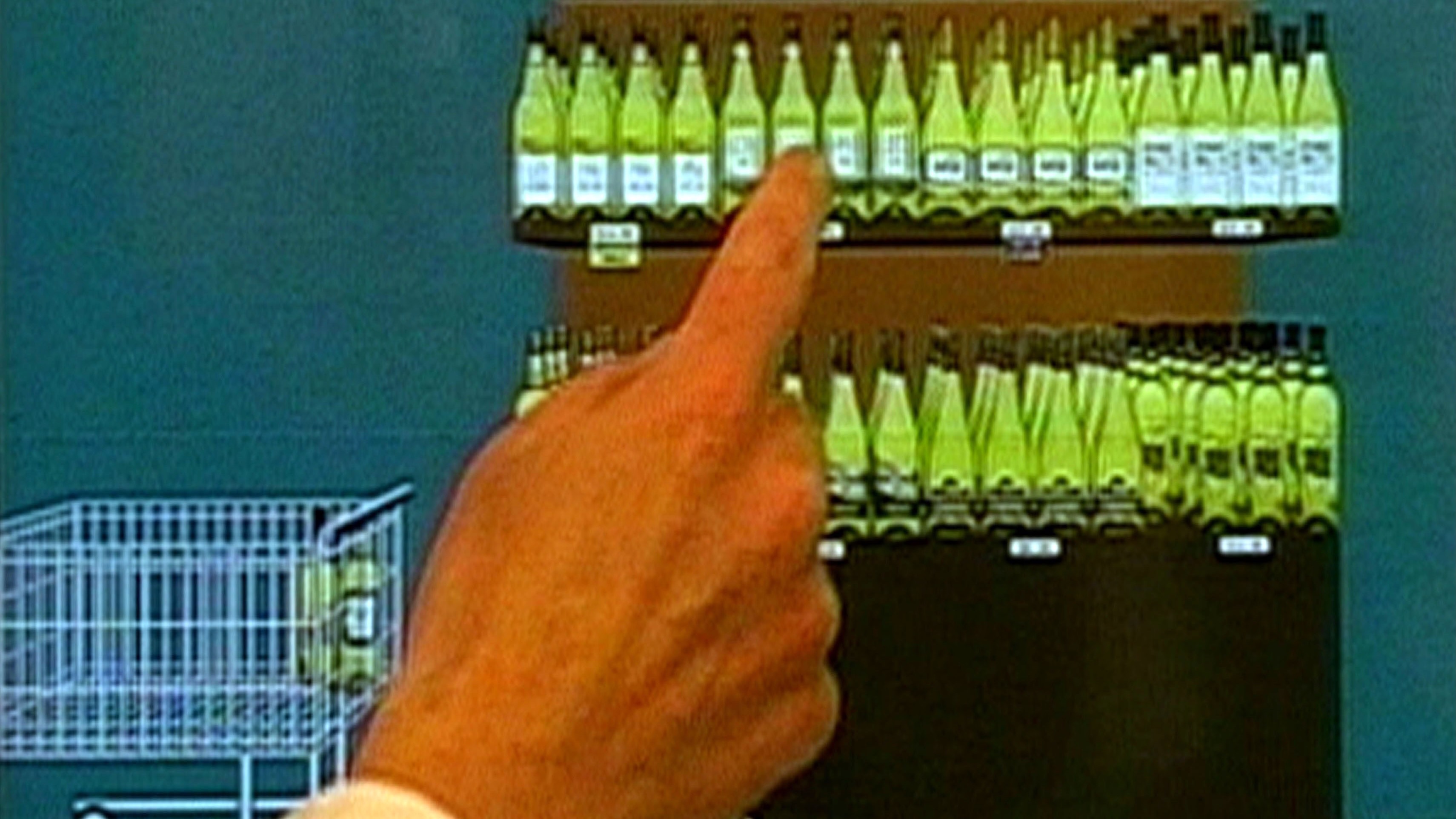
By reconstructing the laboratories and offices of Dow Chemical, an American chemical company that produced both napalm for the Vietnam War and common domestic appliances such as vacuum cleaners, Farocki films the atrocities of modern warfare from a distance. Instead of dramatisation, he opts for an analytical overview of the compartmentalised roles scientists and engineers play in the production of weapons of mass destruction. A dry yet hard-hitting account of the intricate relations between industry, politics and violence.
“Inextinguishable Fire remains utterly devastating, a frightening but cogent delineation of the phases of dissociation we experience as we gaze at media images of atrocity, and a methodical examination of how the abstraction of labor makes us unconscious of our complicity in the violence of war.”
Leo Goldsmith / e-flux
"When we show you pictures of napalm victims, you'll shut your eyes. You'll close your eyes to the pictures. Then you'll close them to the memory. And then you'll close your eyes to the facts.”
Harun Farocki
"Inextinguishable Fire is organized through a process of repeating, varying, and reconnecting disjunct parts of the whole. The film presents “models” of understanding, each one incomplete and fragmentary in itself, yet which together assemble a new picture of capitalism’s self-justifications for imperialism and destruction."
D. N. Rodowick / Artforum