A troubling essay film that explores how visual perception shapes our understanding of history and society. Echoing the writings of contemporary philosophers Paul Virilio and Michel Foucault, Farocki examines a range of historically charged images, including aerial reconnaissance photos of the Auschwitz concentration camp and Marc Garanger’s photographic portraits of Algerian women in Femmes algériennes 1960, a controversial series in which women were photographed against their will under French colonial occupation. Combining archival images with a reflective voice-over, the documentary reveals how acts of looking, recording, and interpreting contribute to the production of historical knowledge and shape our understanding of today’s societies.
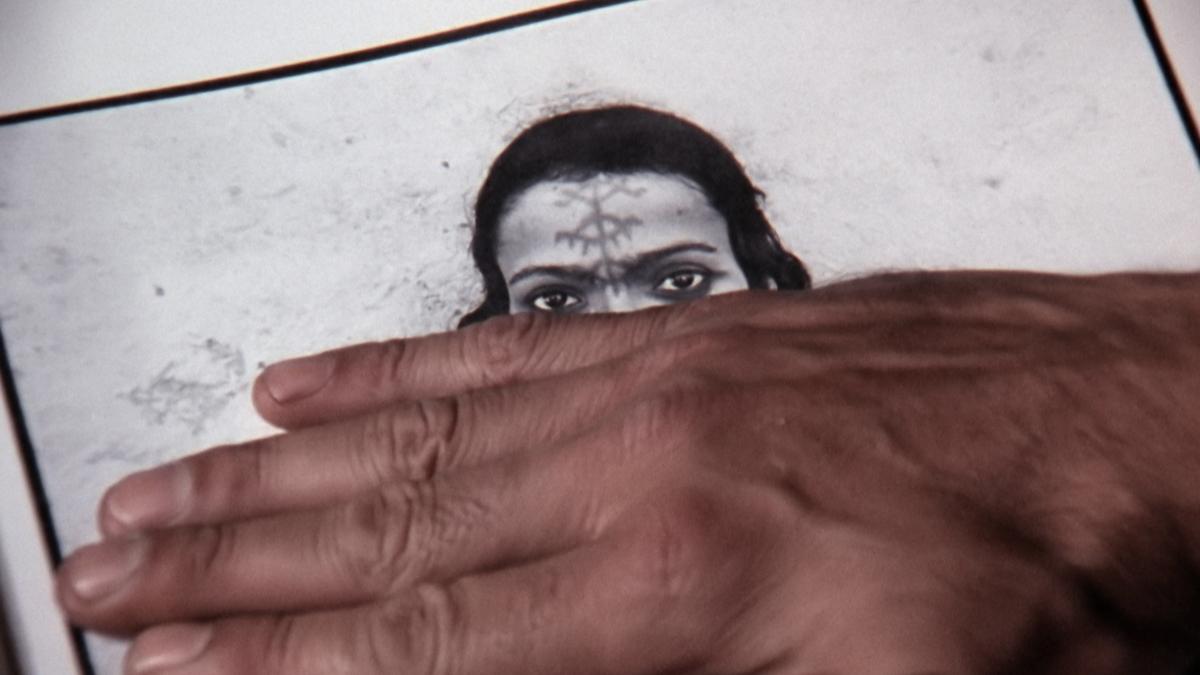
Through a series of historically charged visuals, including aerial photographs of Auschwitz and archival images from colonial Algeria, this documentary interrogates how seeing, recording, and interpreting images shapes our understanding of the past and the present.
Through a series of historically charged visuals, including aerial photographs of Auschwitz and archival images from colonial Algeria, this documentary interrogates how seeing, recording, and interpreting images shapes our understanding of the past and the present.
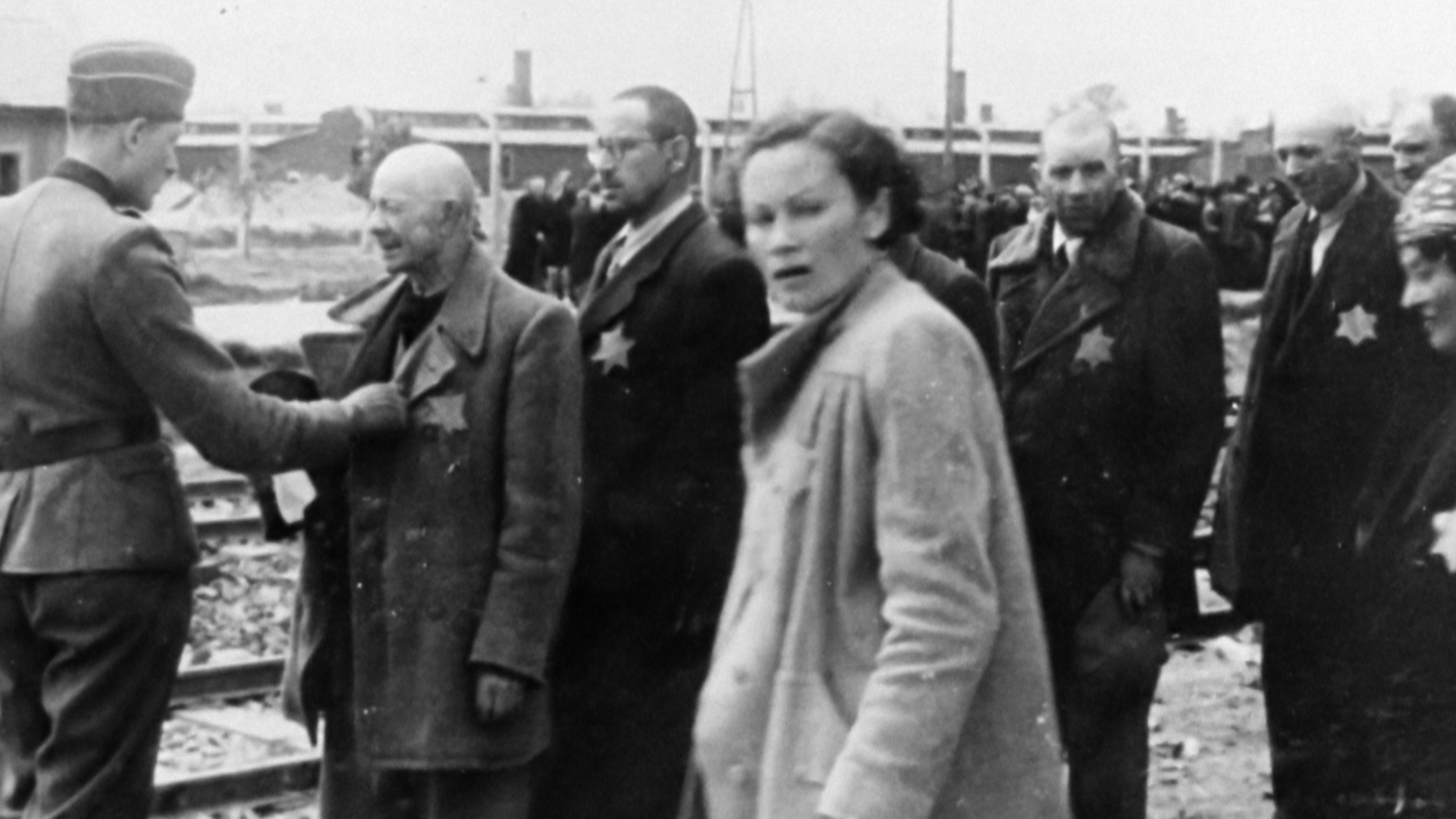
Through a series of historically charged visuals, including aerial photographs of Auschwitz and archival images from colonial Algeria, this documentary interrogates how seeing, recording, and interpreting images shapes our understanding of the past and the present.
Through a series of historically charged visuals, including aerial photographs of Auschwitz and archival images from colonial Algeria, this documentary interrogates how seeing, recording, and interpreting images shapes our understanding of the past and the present.