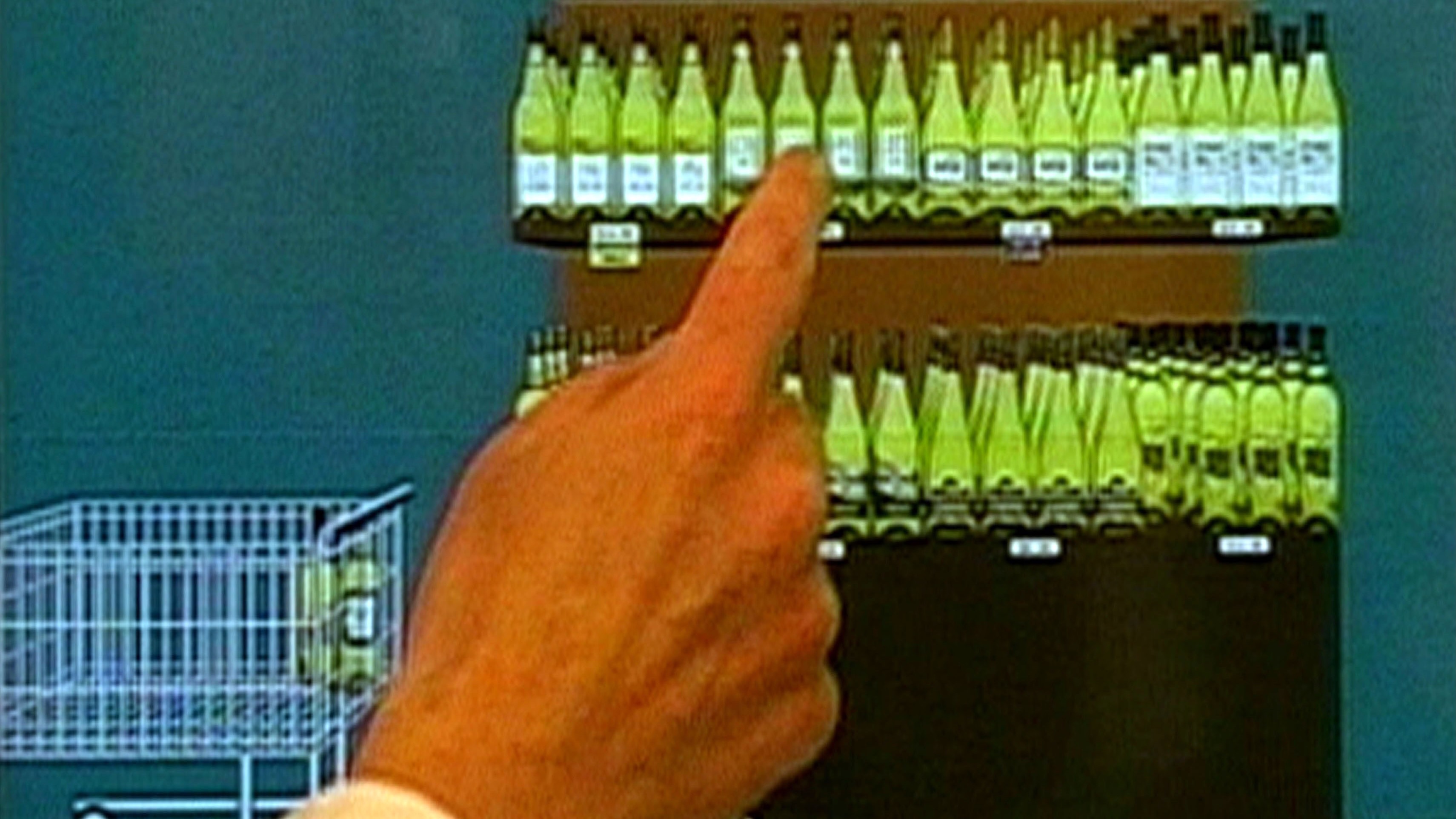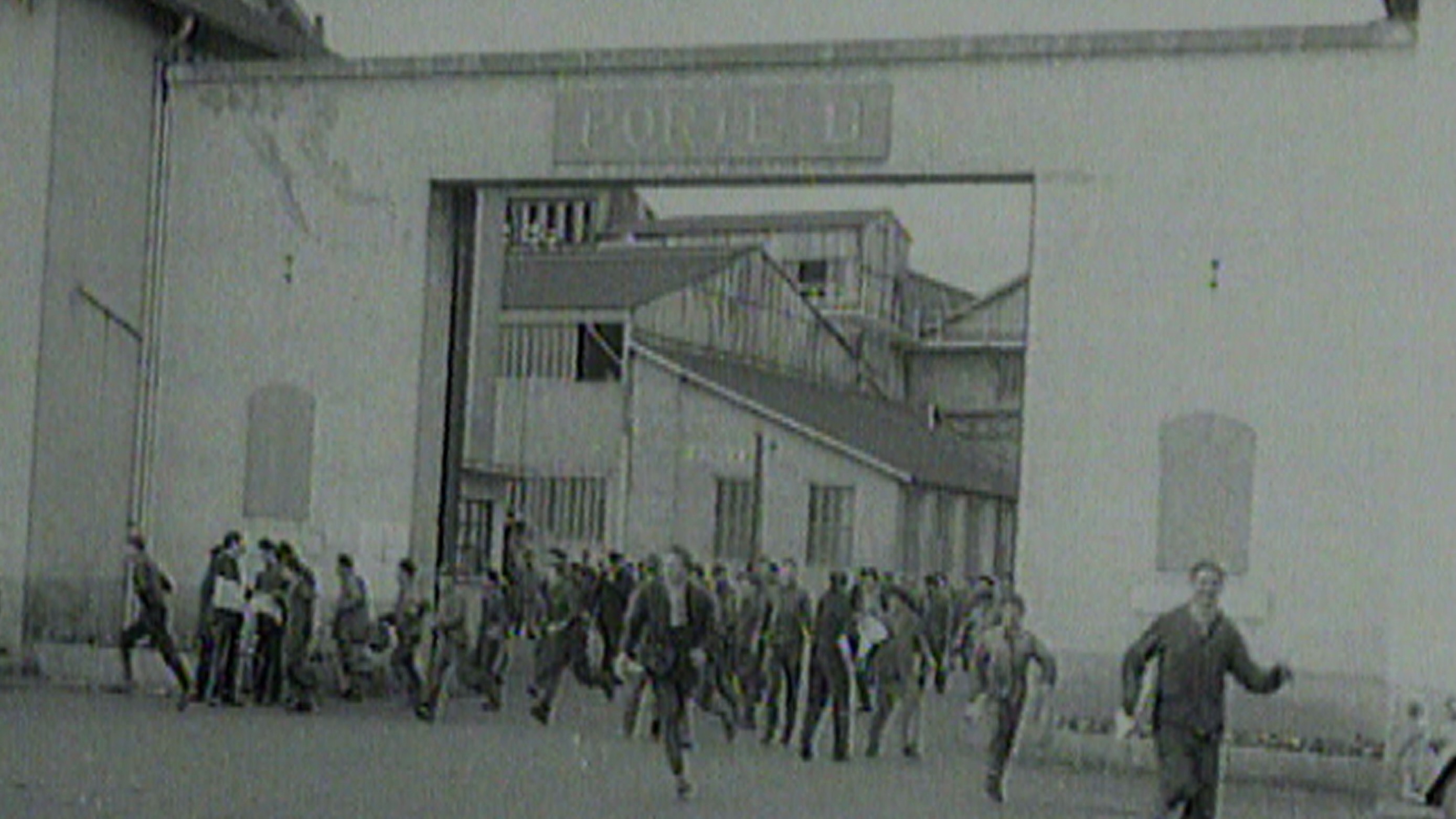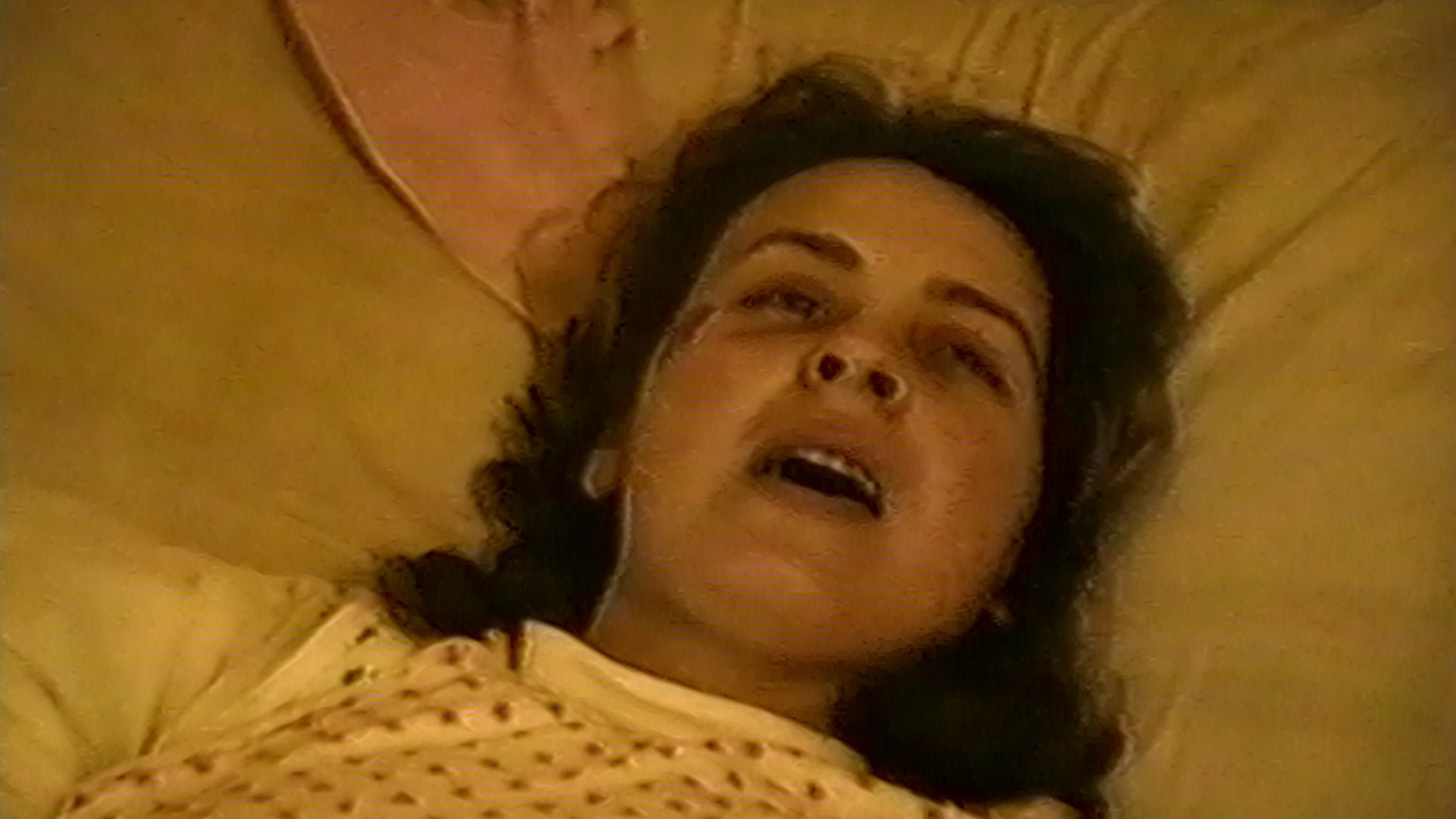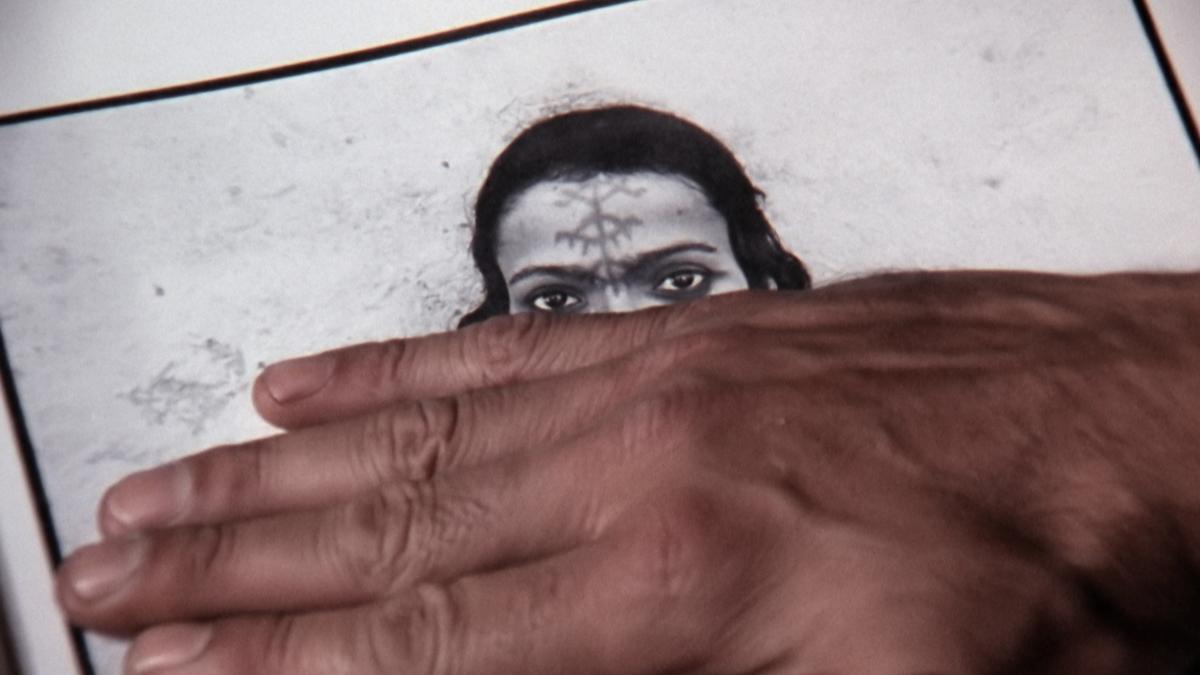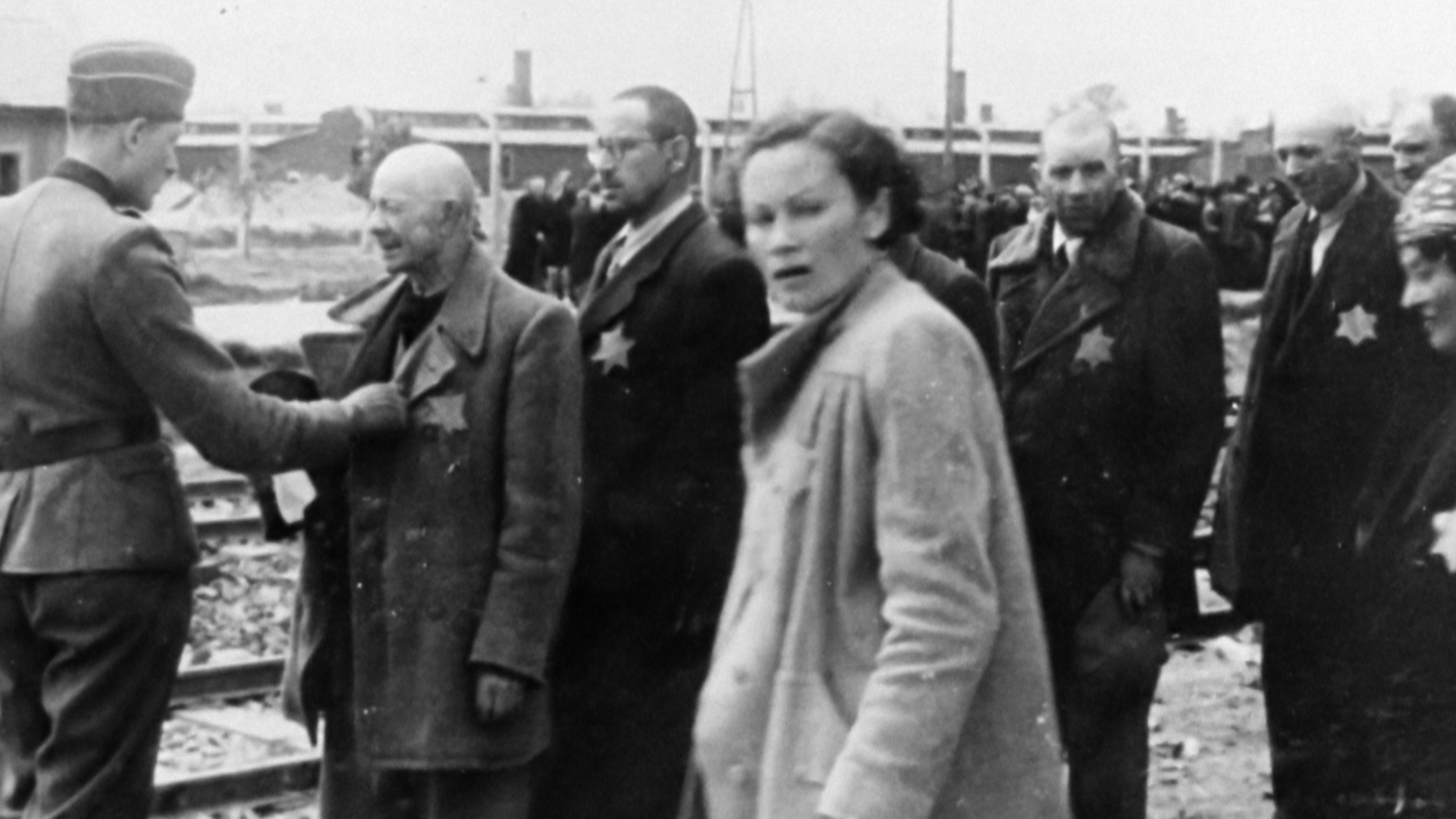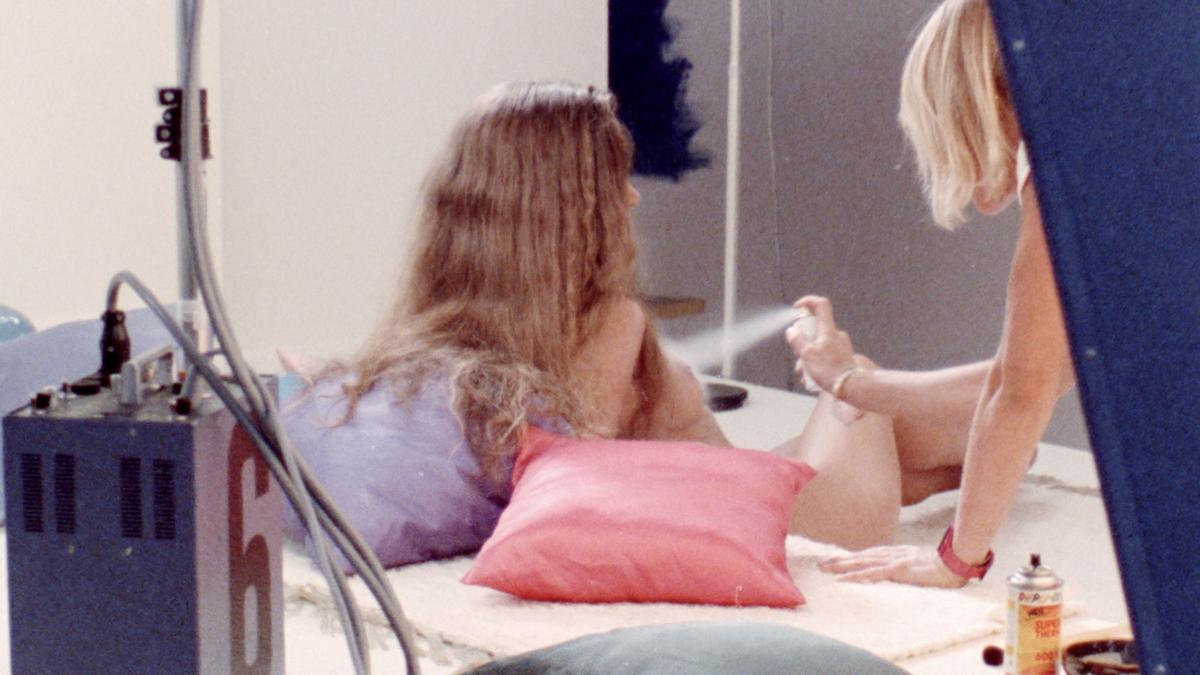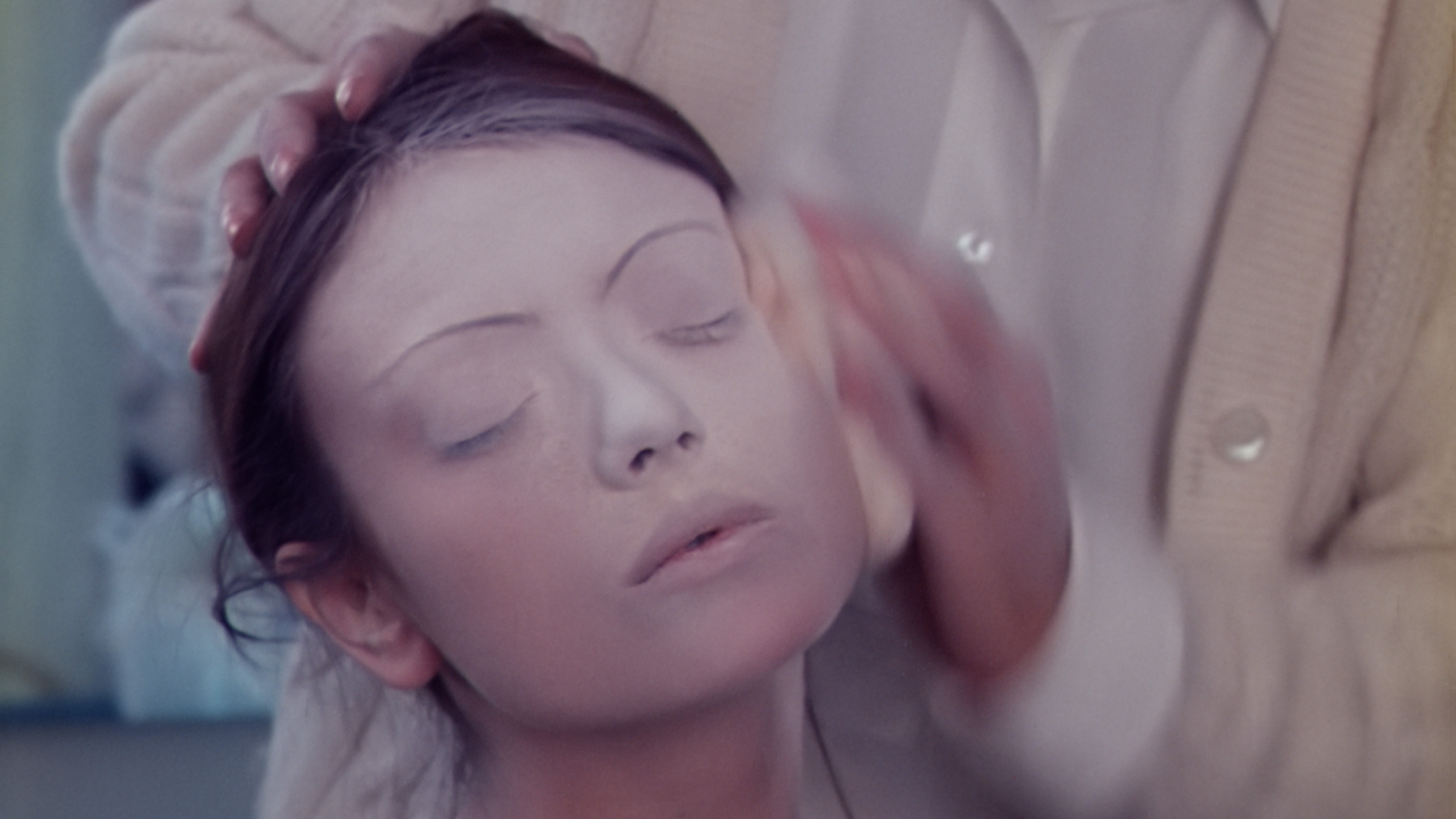
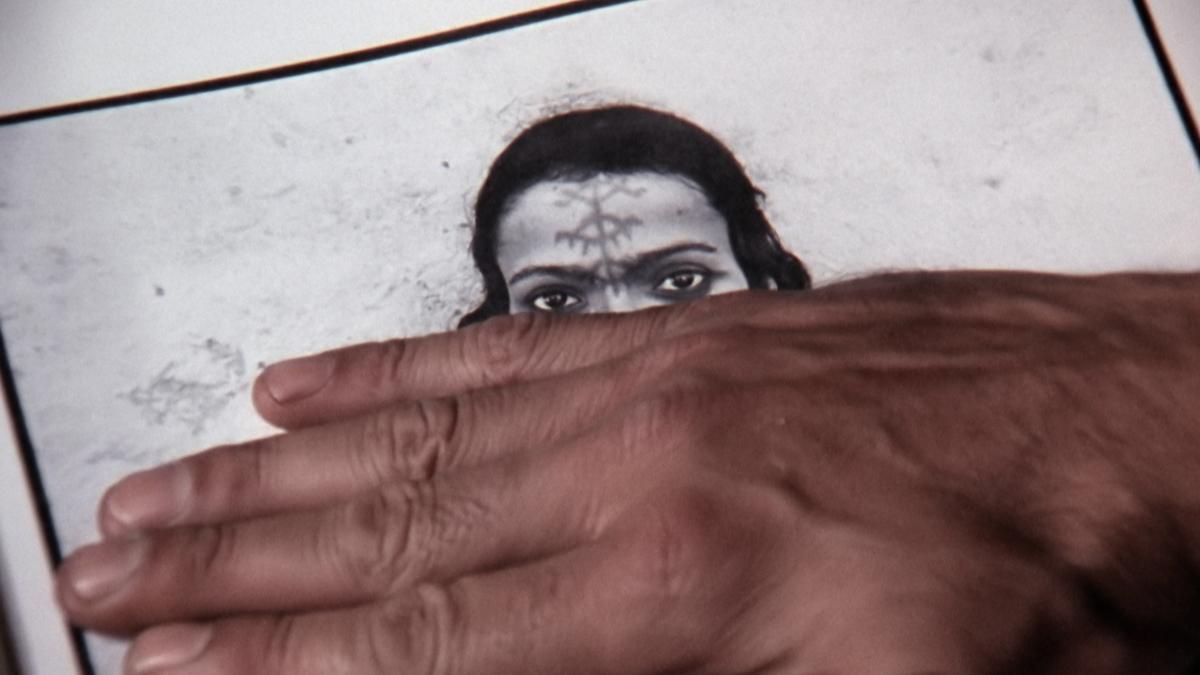
A troubling essay film that explores how visual perception shapes our understanding of history and society. Echoing the writings of contemporary philosophers Paul Virilio and Michel Foucault, Farocki examines a range of historically charged images, including aerial reconnaissance photos of the Auschwitz concentration camp and Marc Garanger’s photographic portraits of Algerian women in Femmes algériennes 1960, a controversial series in which women were photographed against their will under French colonial occupation. Combining archival images with a reflective voice-over, the documentary reveals how acts of looking, recording, and interpreting contribute to the production of historical knowledge and shape our understanding of today’s societies.
“Farocki thereby puts his finger on the essence of media violence, a "terrorist aesthetic" (Paul Virilio) of optic stimulation, which today appears on control panels as well as on television, with its admitted goal of making the observer into either an accomplice or a potential victim, as in times of war.”
Christa Blümlinger
"Poised on the shifting boundary between the modern and the postmodern, Images of the World addresses aesthetic issues that are trans-historical and trans-global."
Nora Alter / Harun Farocki: Working the Sight-lines
"On June 25 and 27 (1944), The Manchester Guardian reported on the Nazi death factory and for the first time mentioned the place name, Oswiecim. The mass extermination of the Jews by the Nazis was now occasionally mentioned in the newspapers; however, only as one among many stories of dramatic war events, as news that soon disappeared into oblivion. A year later, when the Germans had lost the war and the concentration camps were liberated, the Allies photographed and filmed the camps, the survivors, and the traces that pointed to the millions murdered. It was above all the images of piles of shoes, glasses, false teeth, the mountains of shorn hair that have made such a profound impression. Perhaps we need images, so that something that is hardly imaginable can register: photographic images as the impressions of the actual at a distance."
Harun Farocki / Sabzian