↓
Harun Farocki
Harun Farocki (1944-2014), born in Neutitschein (today Nový Jičín, Czech Republic), was a German filmmaker, lecturer and author. He spent parts of his childhood in India and Indonesia before his family resettled to Germany in 1958. From 1966 to 1968, he studied at the Deutsche Film- und Fernsehakademie Berlin. During this period, at the height of the Cold War and in a highly politicised cultural milieu, Farocki began making films that questioned the construction and meaning of images in everyday life.
This approach to filmmaking is reflected greatly in The Inextinguishable Fire (1969) his breakthrough film. By focusing on the production of napalm used in the Vietnam war, Farocki employs his idiosyncratic style to comment on imperative social issues.
Across more than 120 films and installations, Farocki played a pioneering role in exposing the underlying social, political, and technological structures through which images are produced and circulated; therefore, his work remains highly relevant in today’s image-saturated societies.
In 1988, Farocki directed Images of the World and the Inscription of War, in which he sets out to uncover how visual perception shapes our understanding of history and society. The film is widely considered as one of his most important works.
His critical ethnographic approach to everyday life combines subtle humour with a sense of social urgency, approaching film both as an art form and as a means for inquiry.
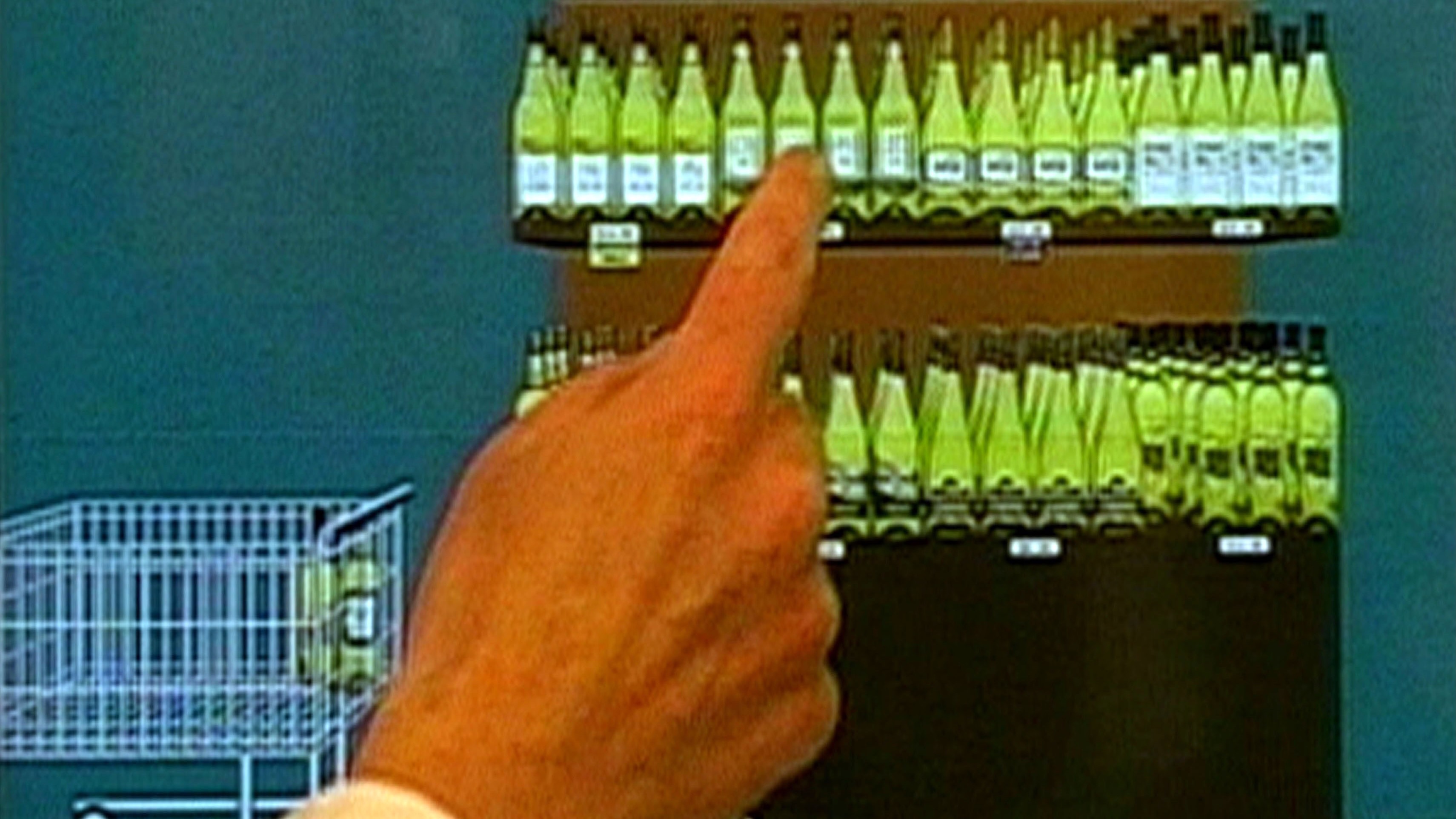
Shopping malls have become a familiar feature of contemporary life, an almost unavoidable element of the consumer experience. An analytical documentary that examines how these seemingly pleasurable environments are carefully engineered to encourage consumption, through strategic planning, marketing and surveillance.
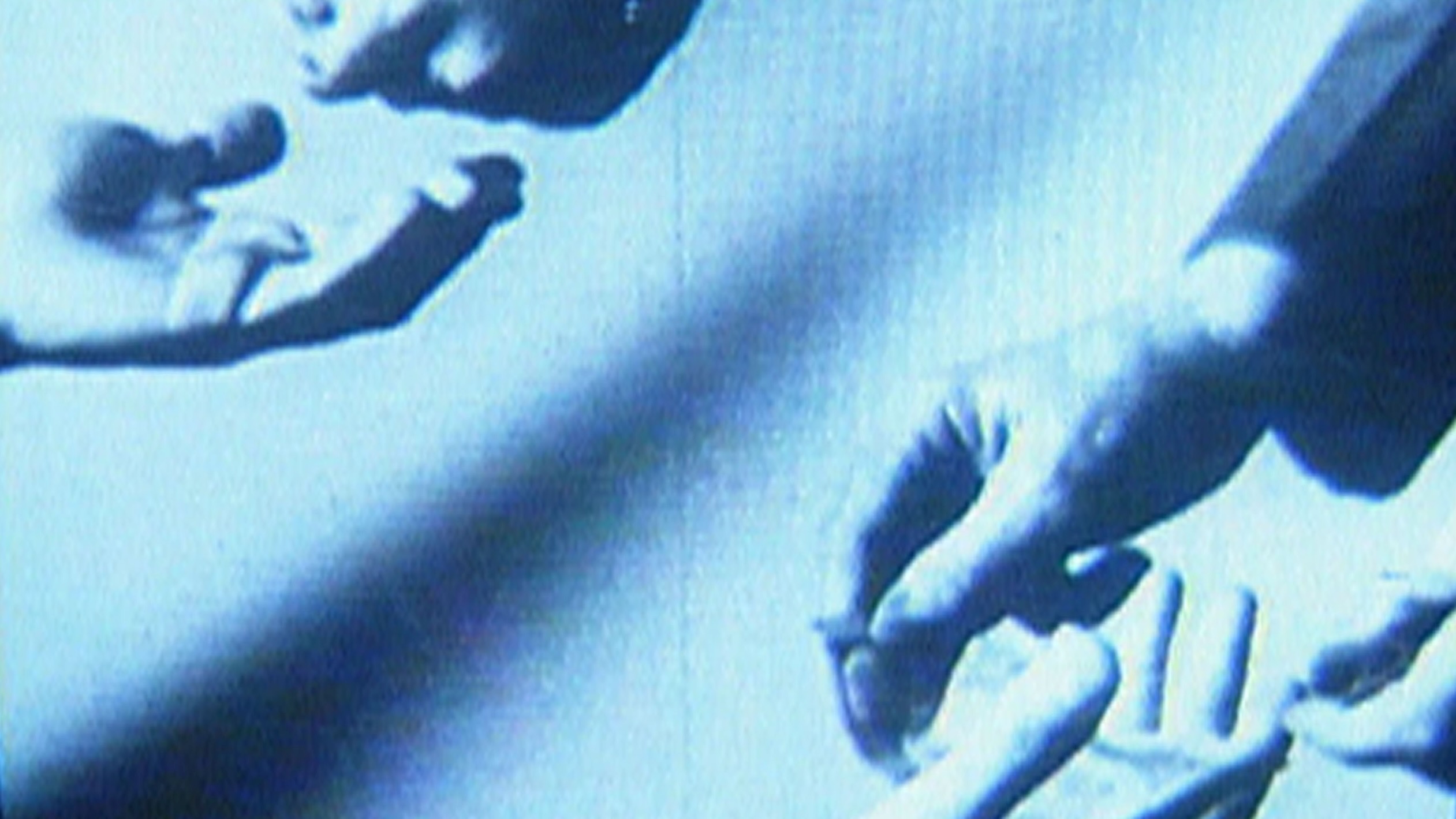
With a montage of film extracts, this documentary explores how hands create meaning on screen, betraying emotions and bearing witness.
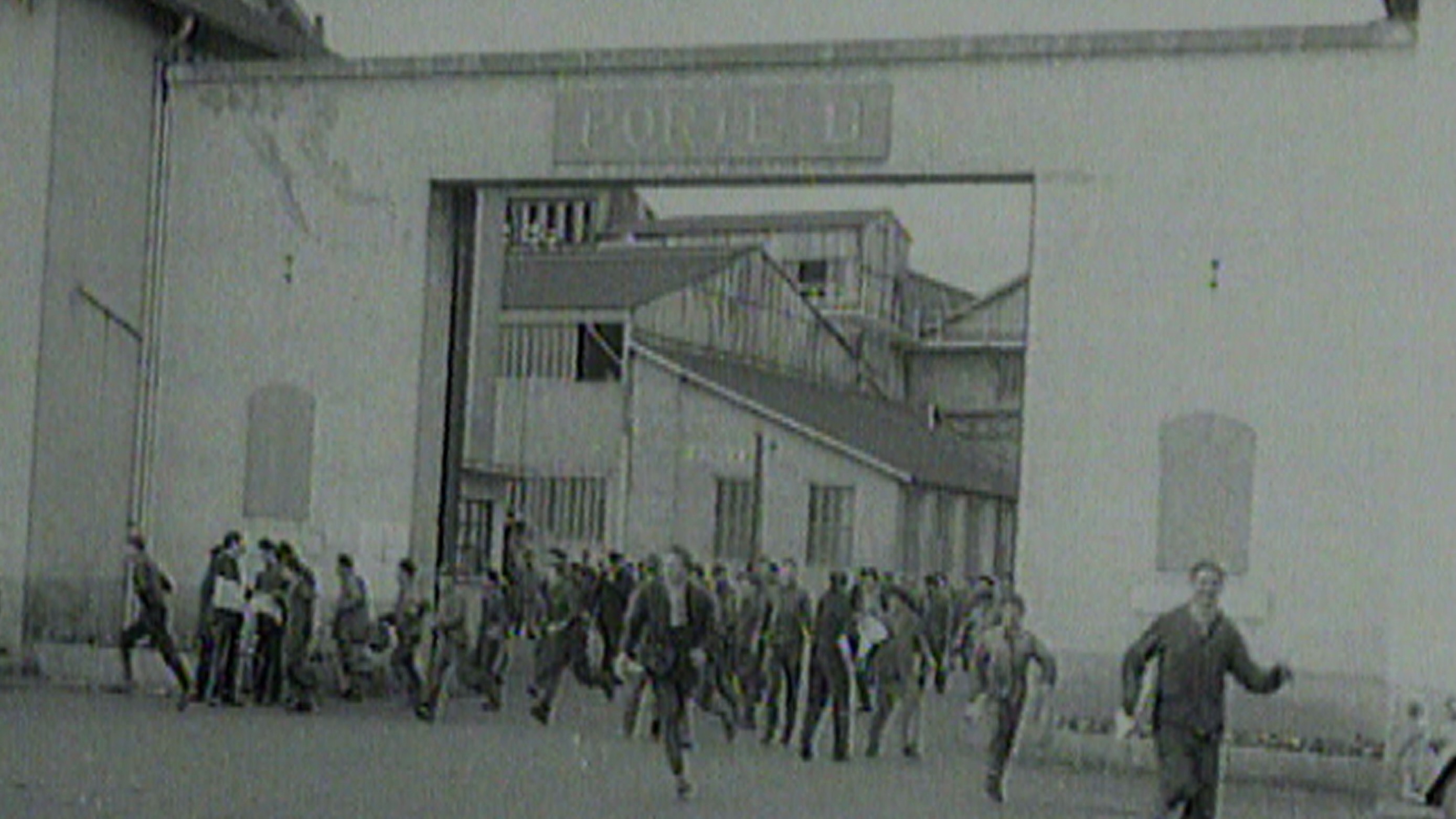
From the factory gates in the Lumière brothers’ first moving images to the industrial landscapes of the twentieth century: the factory and its workers have been a recurring subject throughout cinema history. Through a careful montage of images, this essay film reveals the intertwined histories of cinema and industrial capitalism.
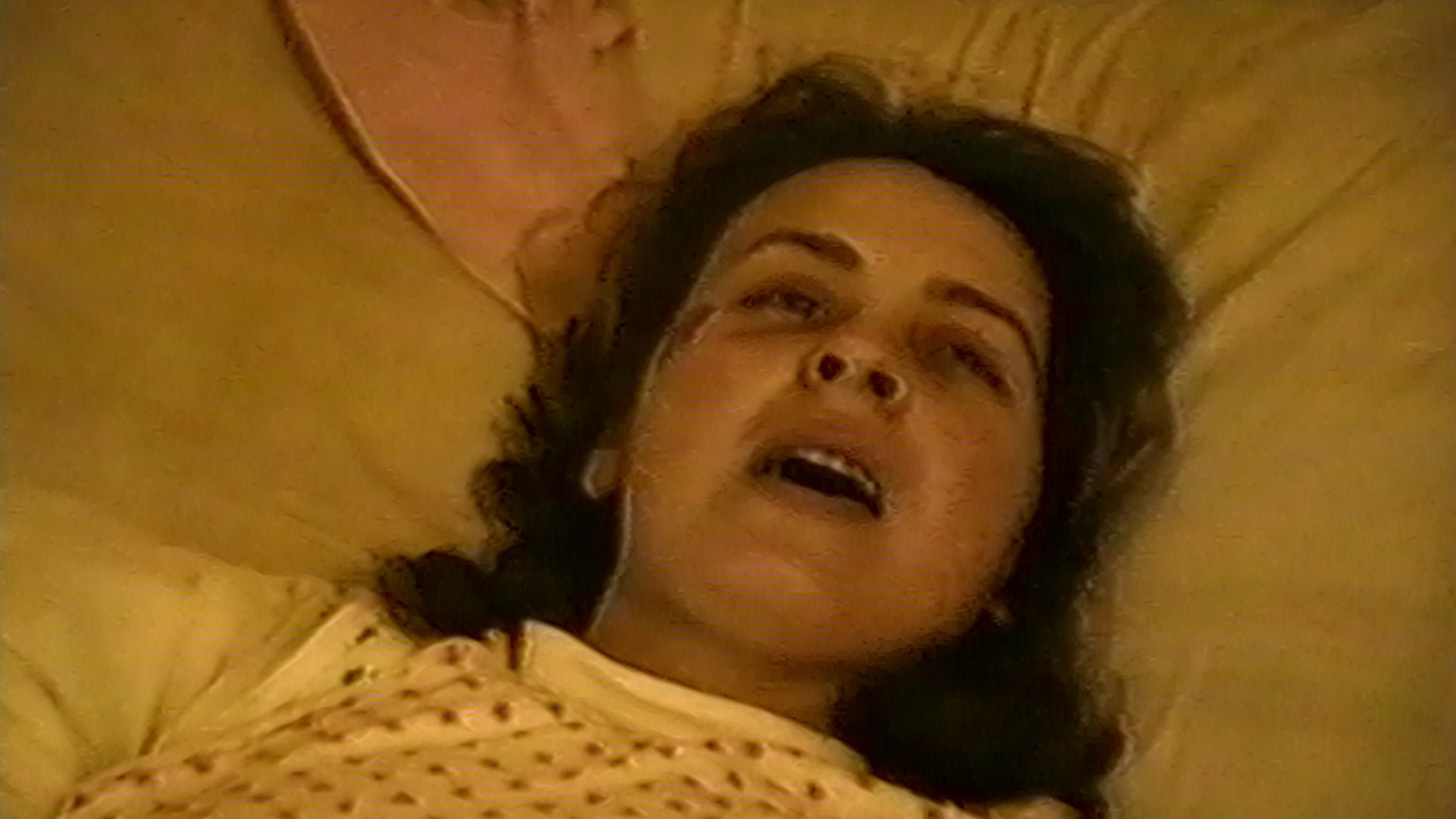
Bucharest, 1989. From the balcony of the People’s House, Romanian dictator Nicolae Ceausescu gives his final public speech, before being cut short by a protesting crowd. Executed four days later, his downfall marks the beginning of a new era. An essayistic documentary that examines how a revolution was mediated through images.
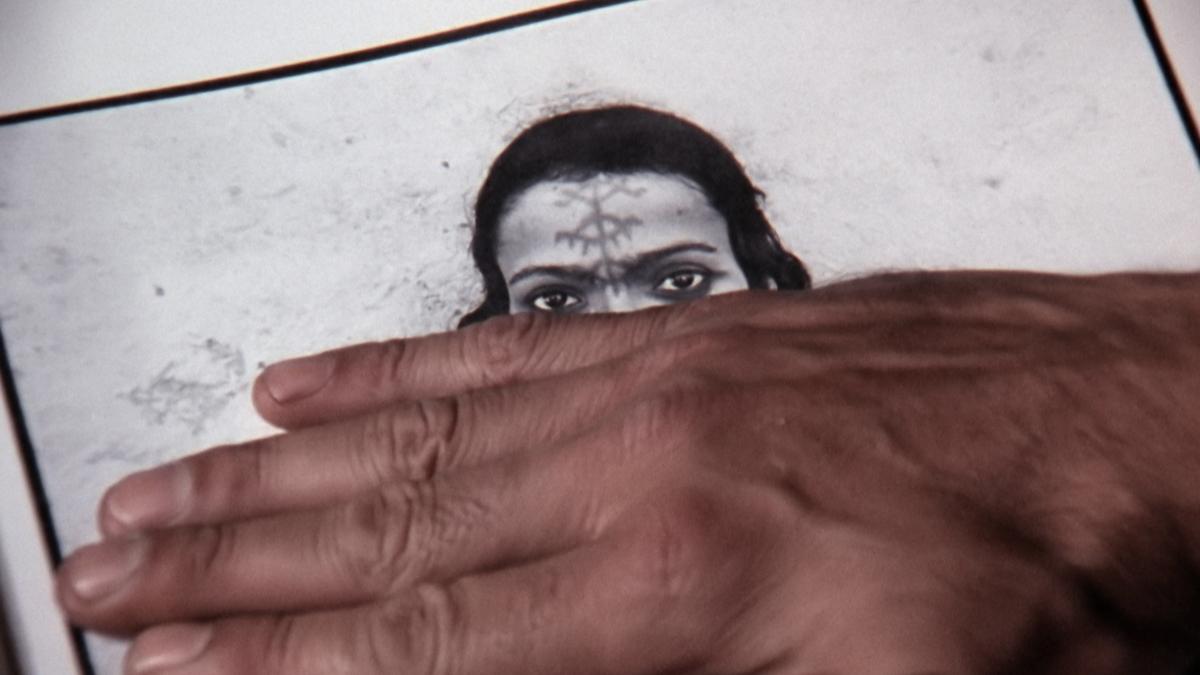
Through a series of historically charged visuals, including aerial photographs of Auschwitz and archival images from colonial Algeria, this documentary interrogates how seeing, recording, and interpreting images shapes our understanding of the past and the present.
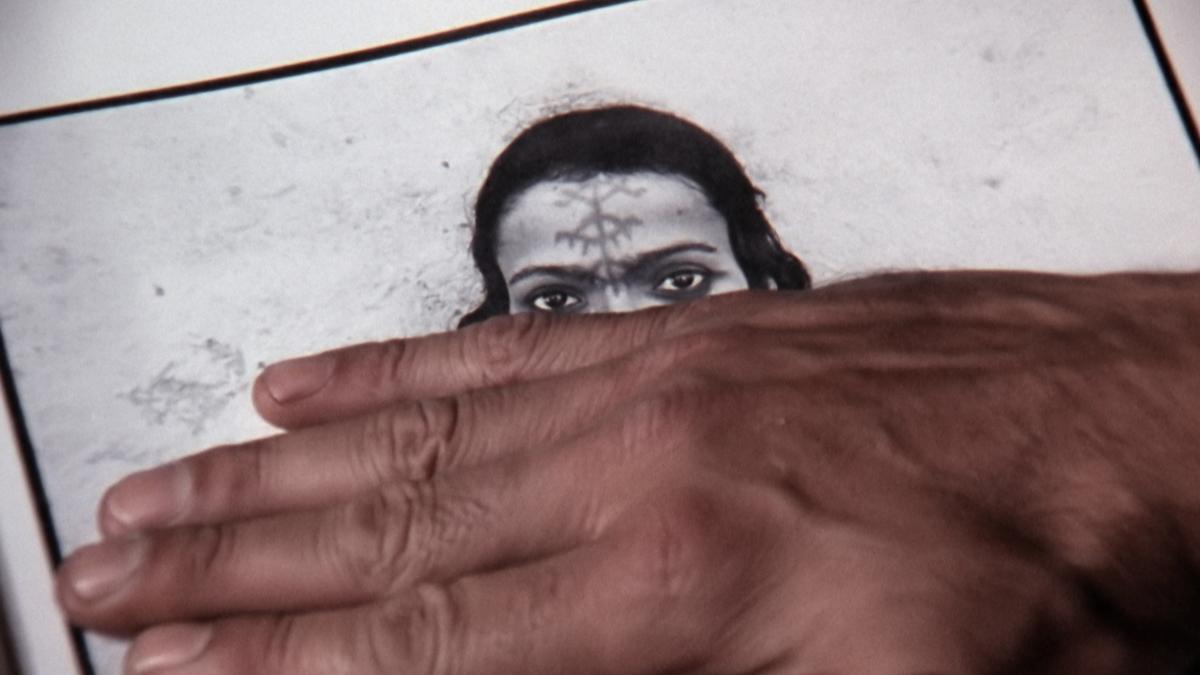
Through a series of historically charged visuals, including aerial photographs of Auschwitz and archival images from colonial Algeria, this documentary interrogates how seeing, recording, and interpreting images shapes our understanding of the past and the present.
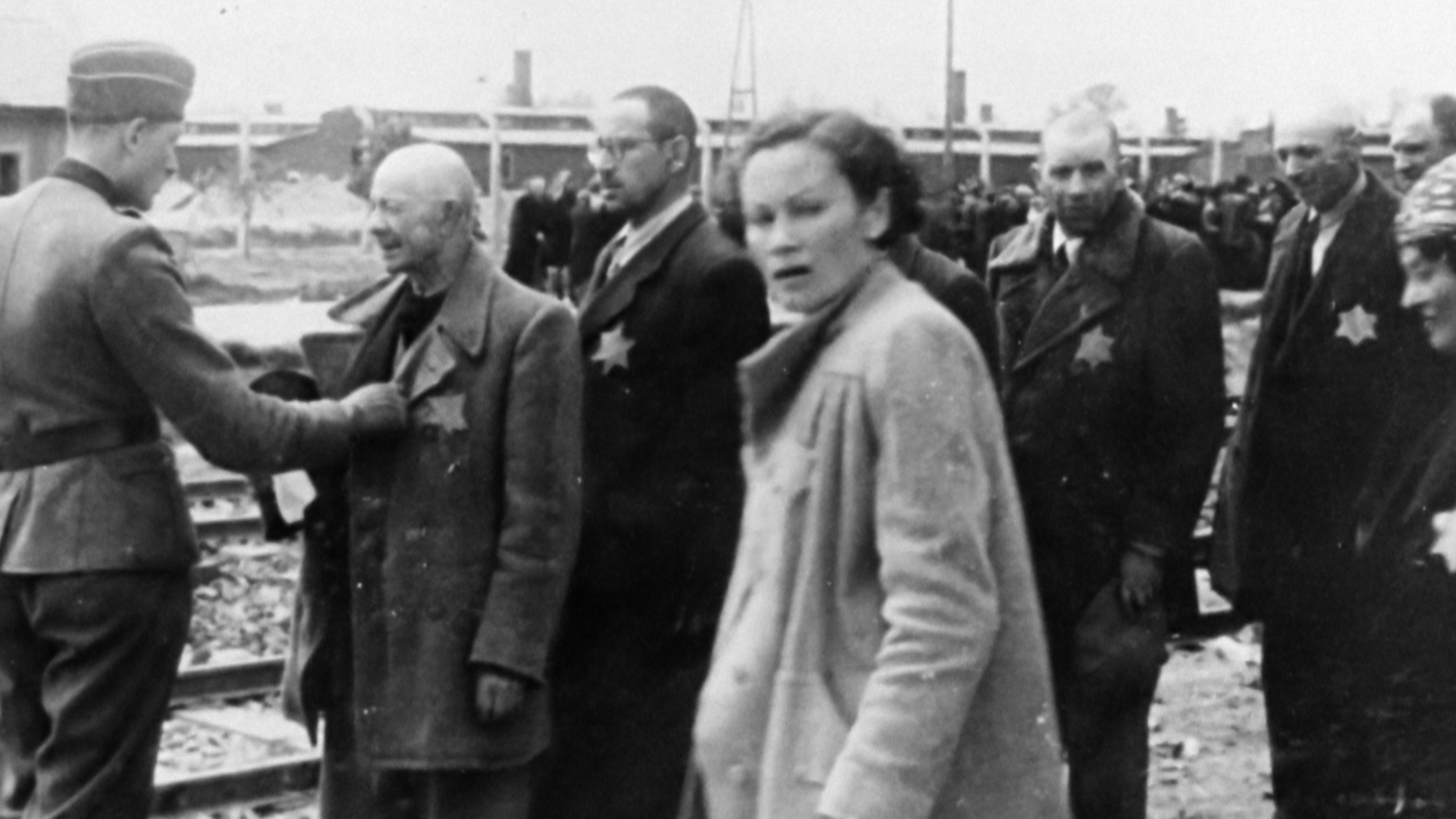
Through a series of historically charged visuals, including aerial photographs of Auschwitz and archival images from colonial Algeria, this documentary interrogates how seeing, recording, and interpreting images shapes our understanding of the past and the present.

Over four days in a Munich studio, a small crew and a model create the cover photograph for Playboy Magazine. A clinical portrait of how an apparently spontaneous fantasy is meticulously constructed.
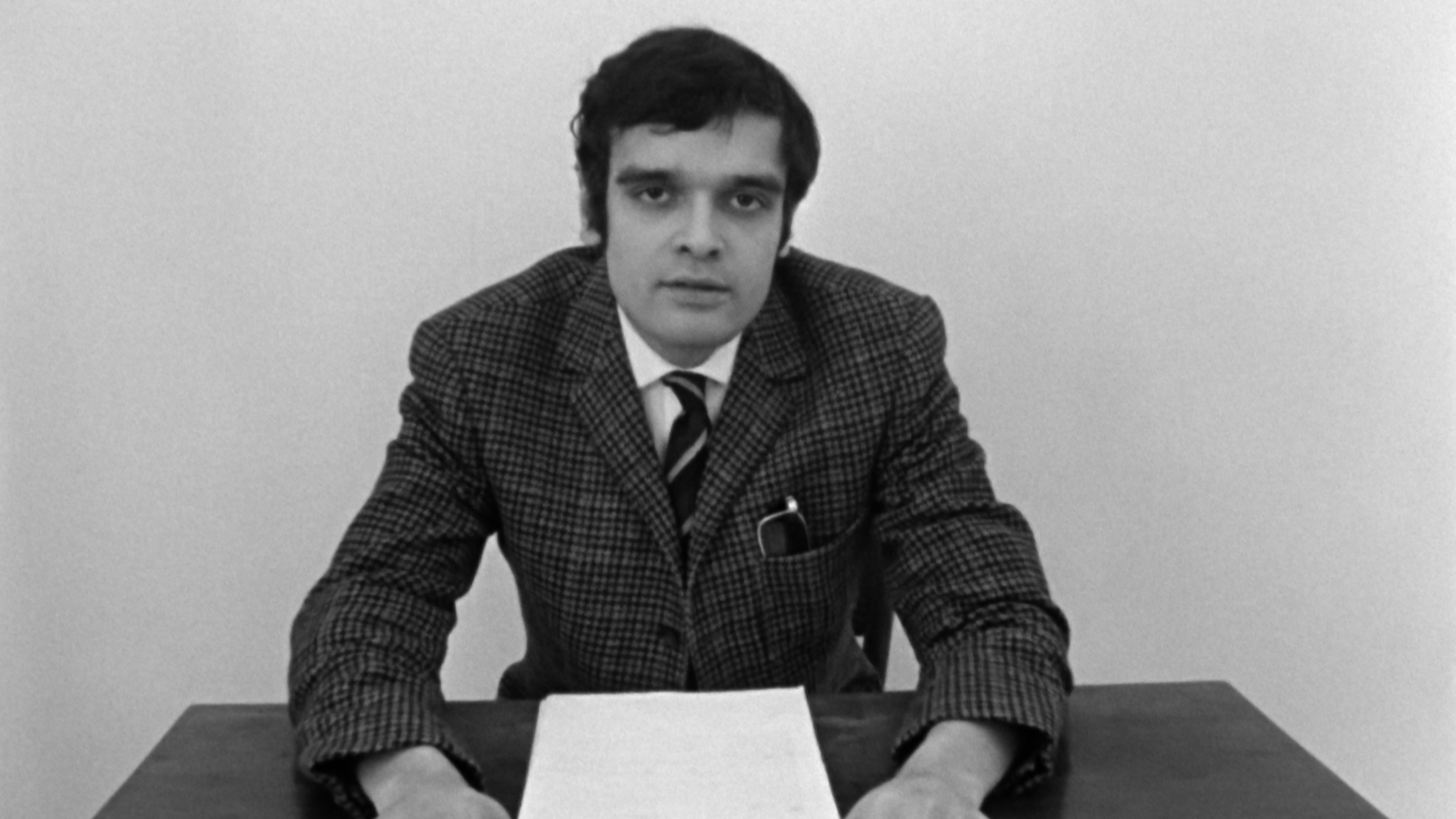
How to depict the cruelty of napalm without making the viewer look away? An analytical deconstruction of modern warfare, examining the compartmentalised roles scientists and engineers play in the production of destructive weapons, and exposing the nexus between industry, politics and violence.