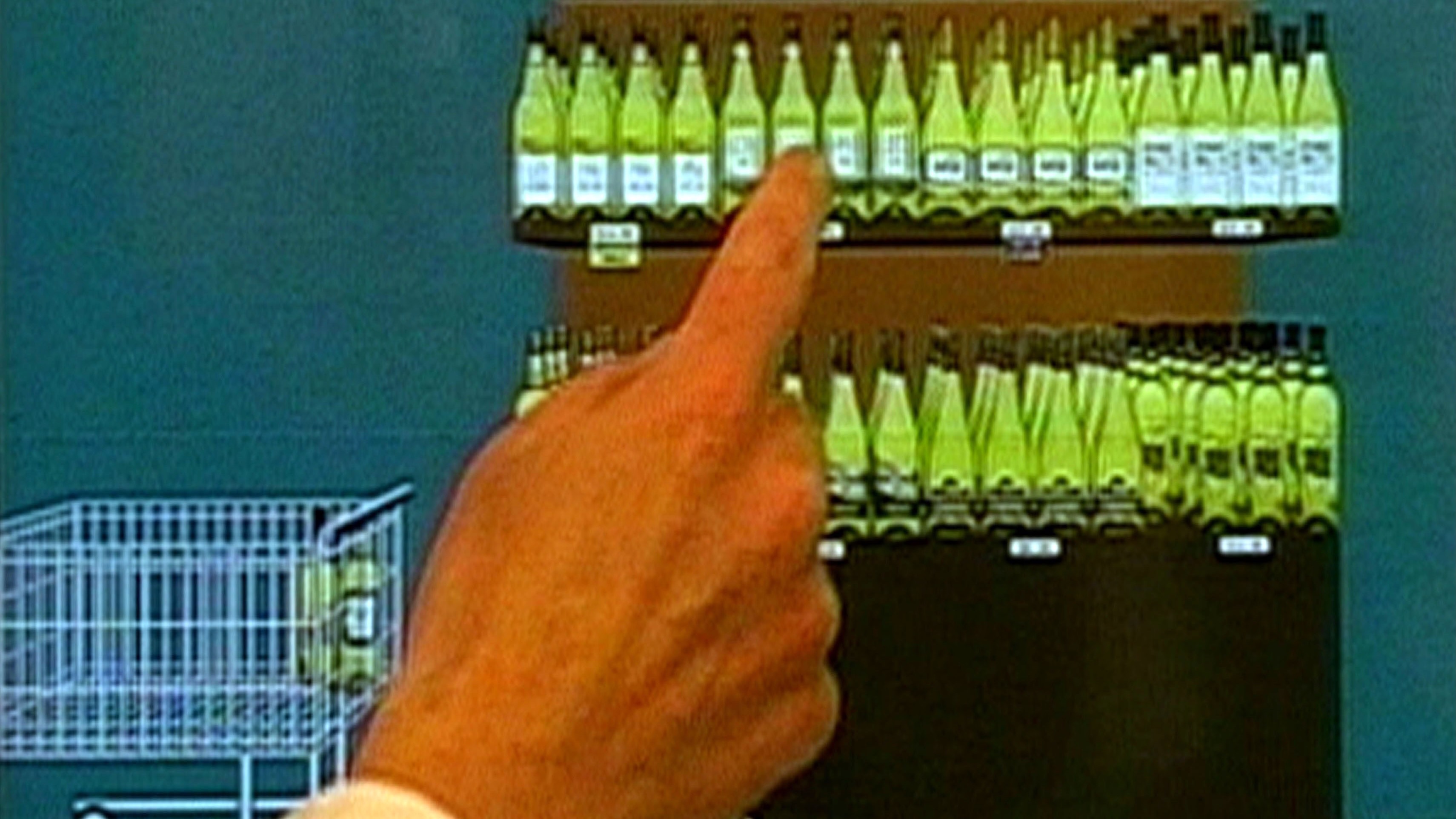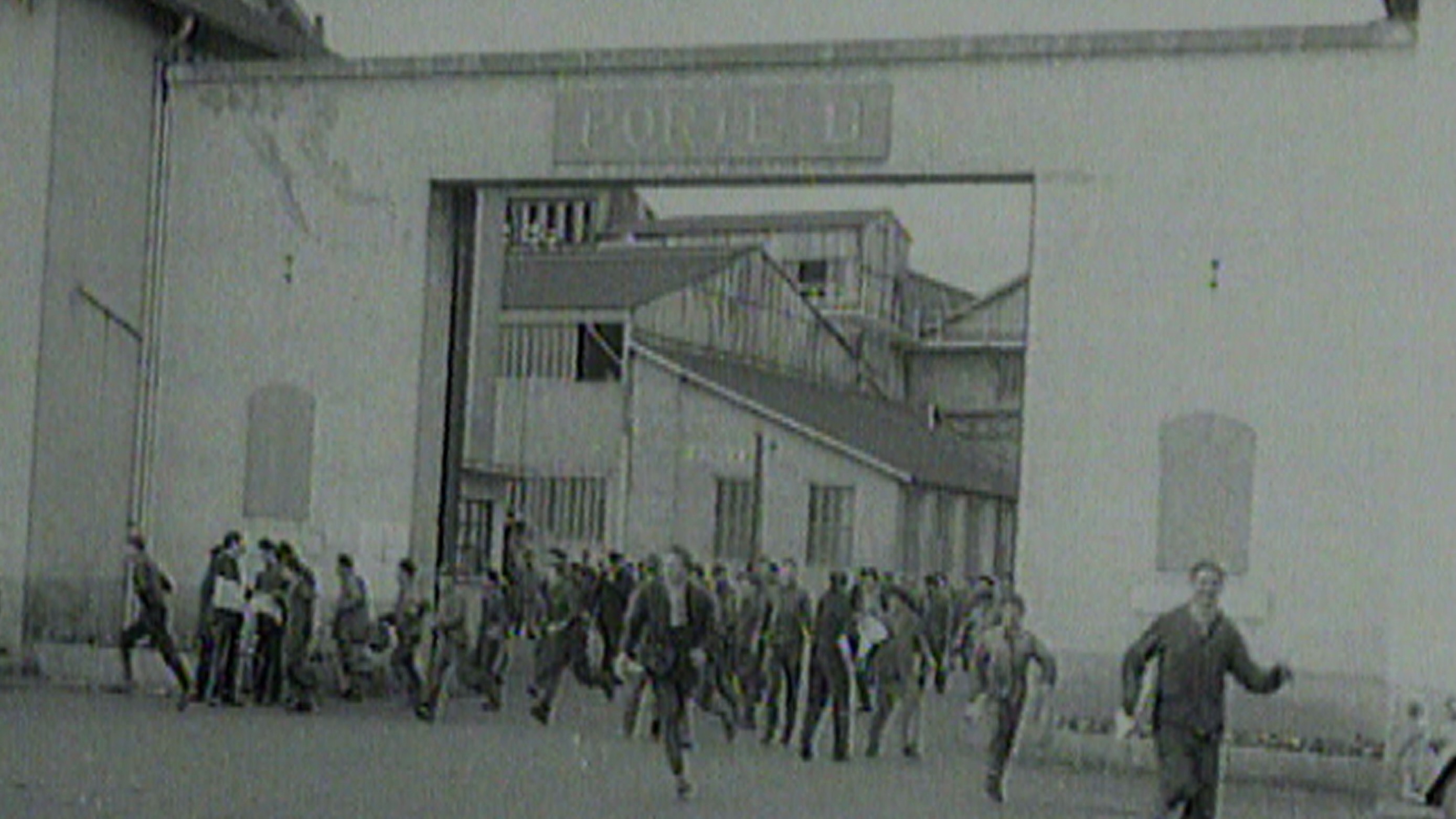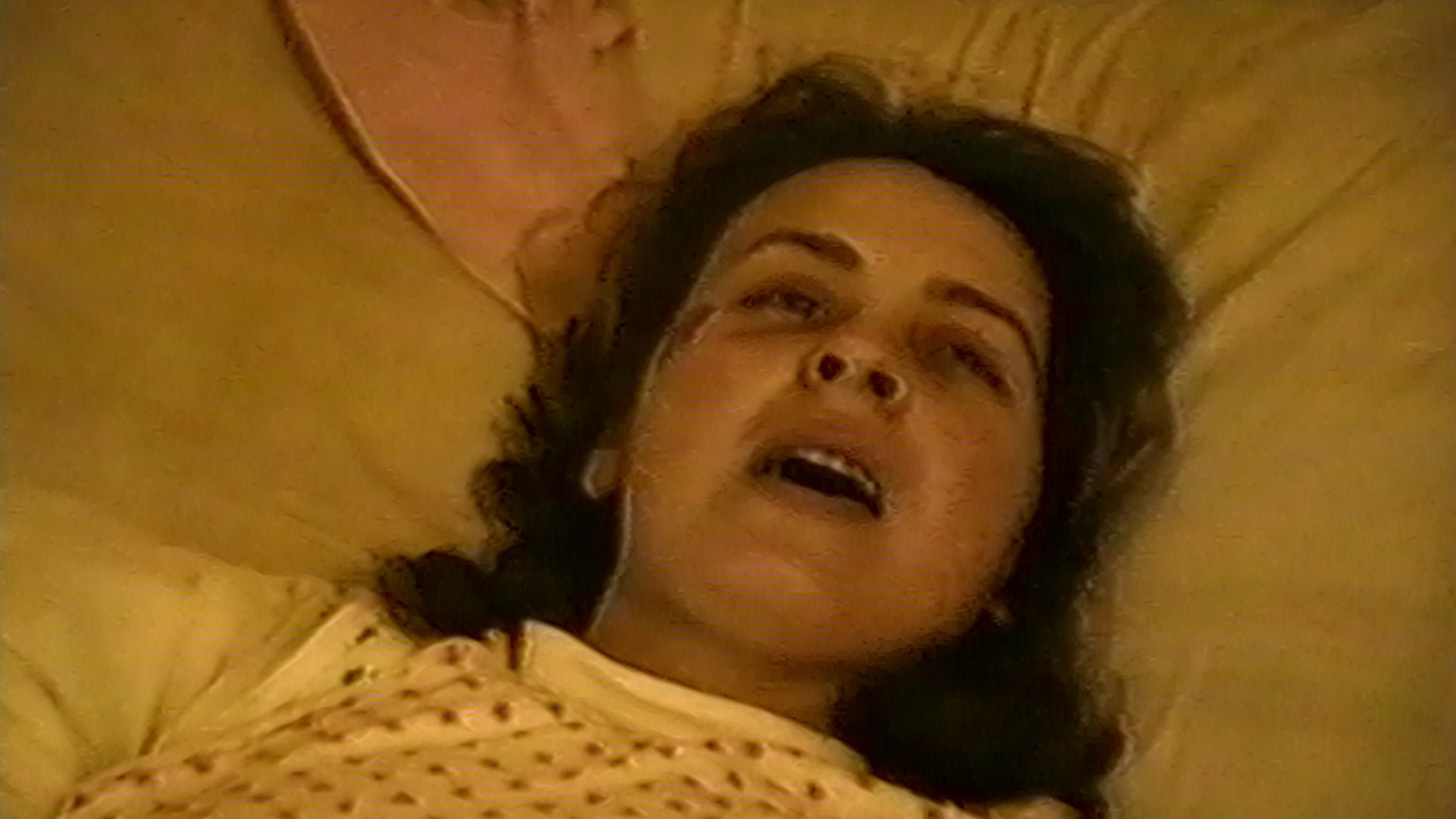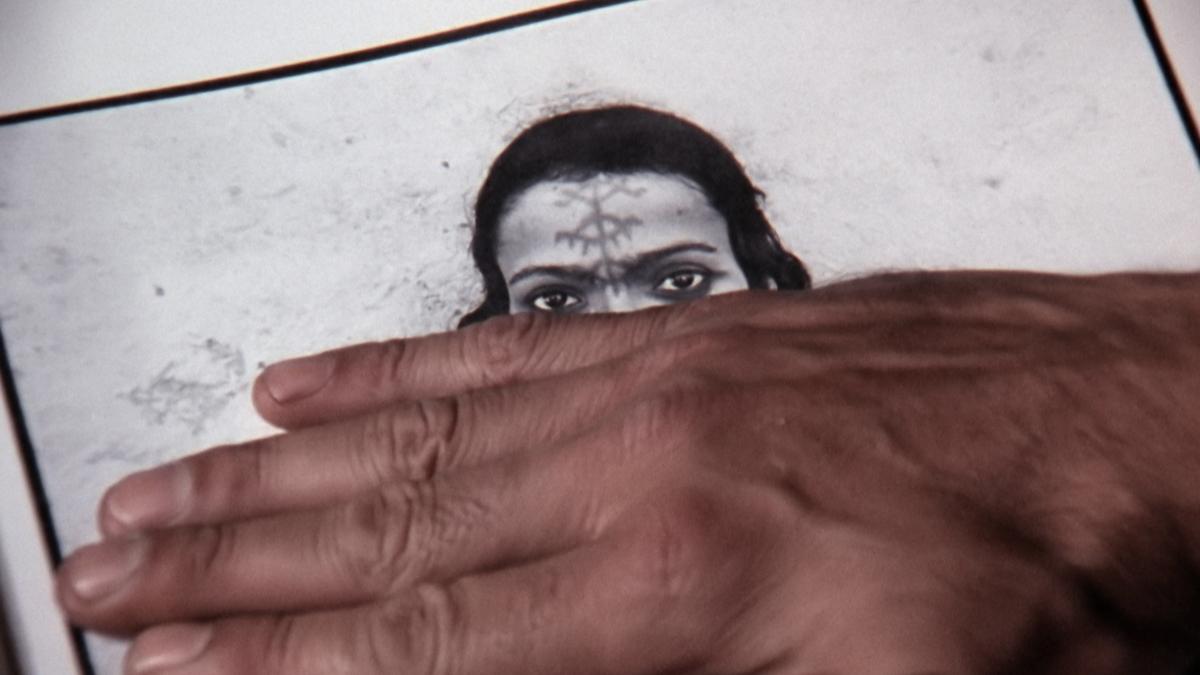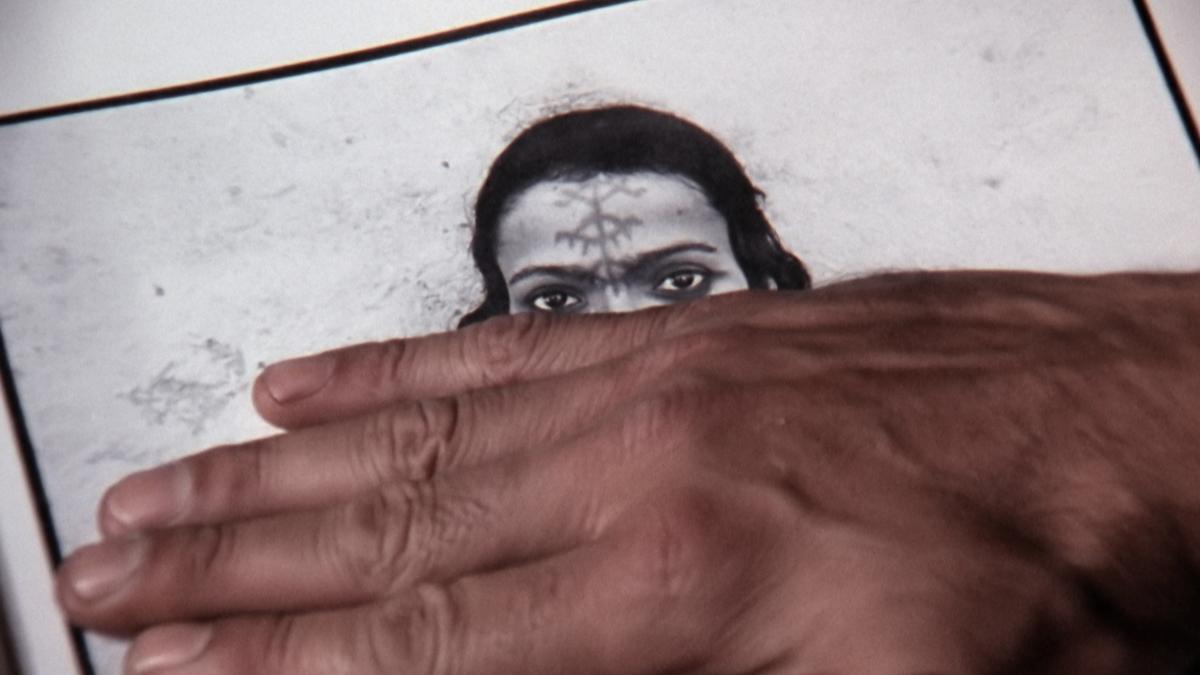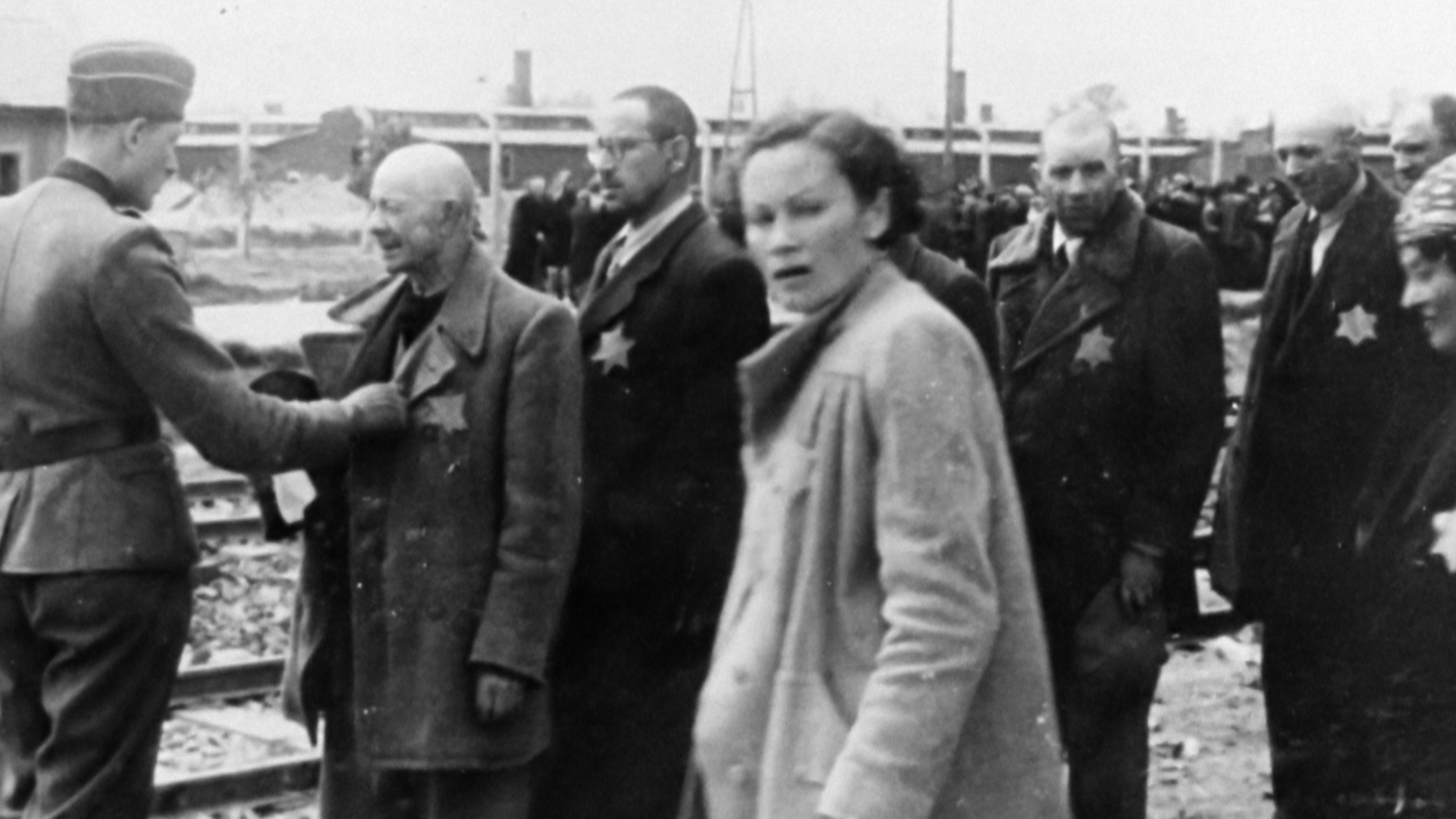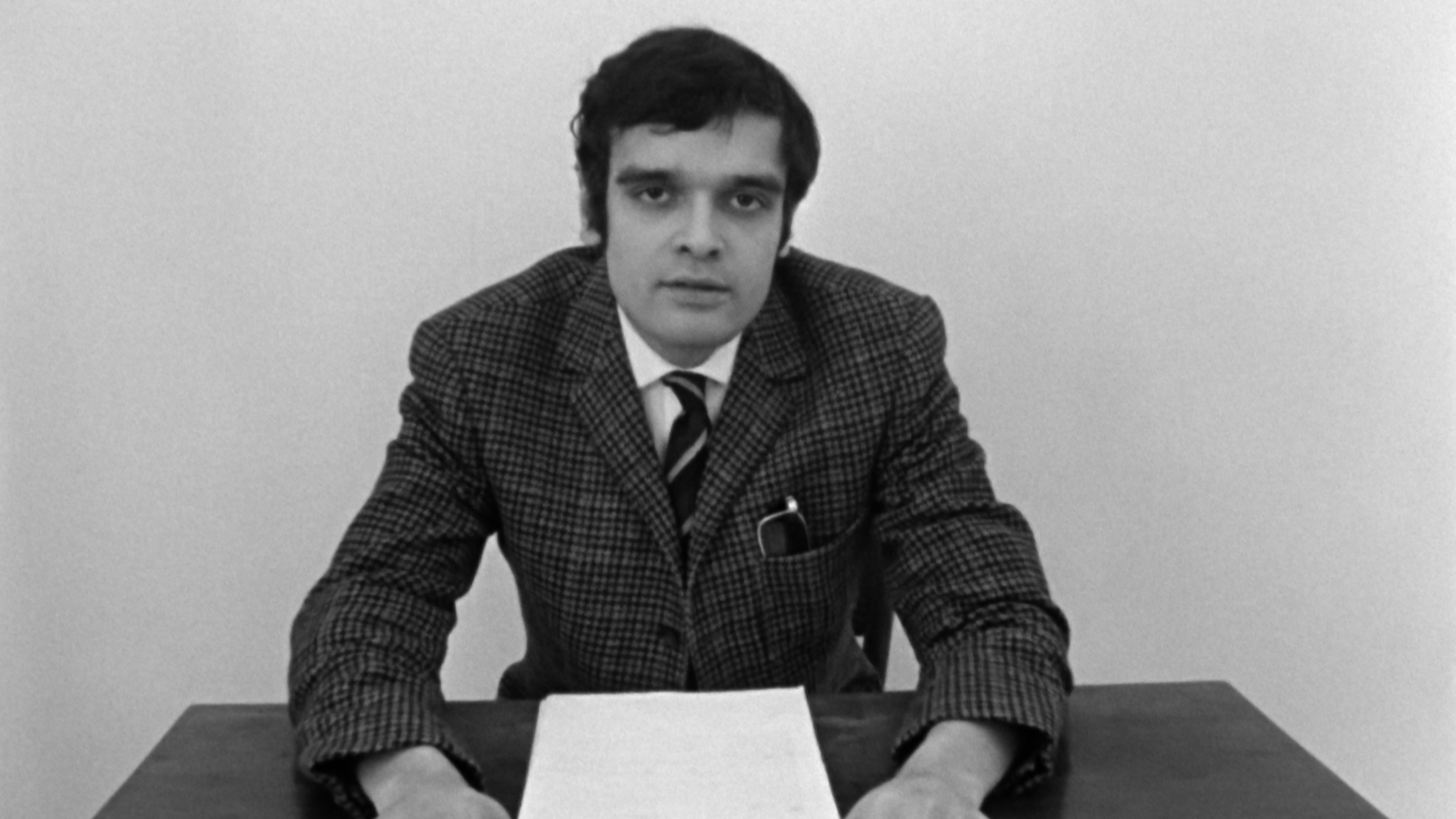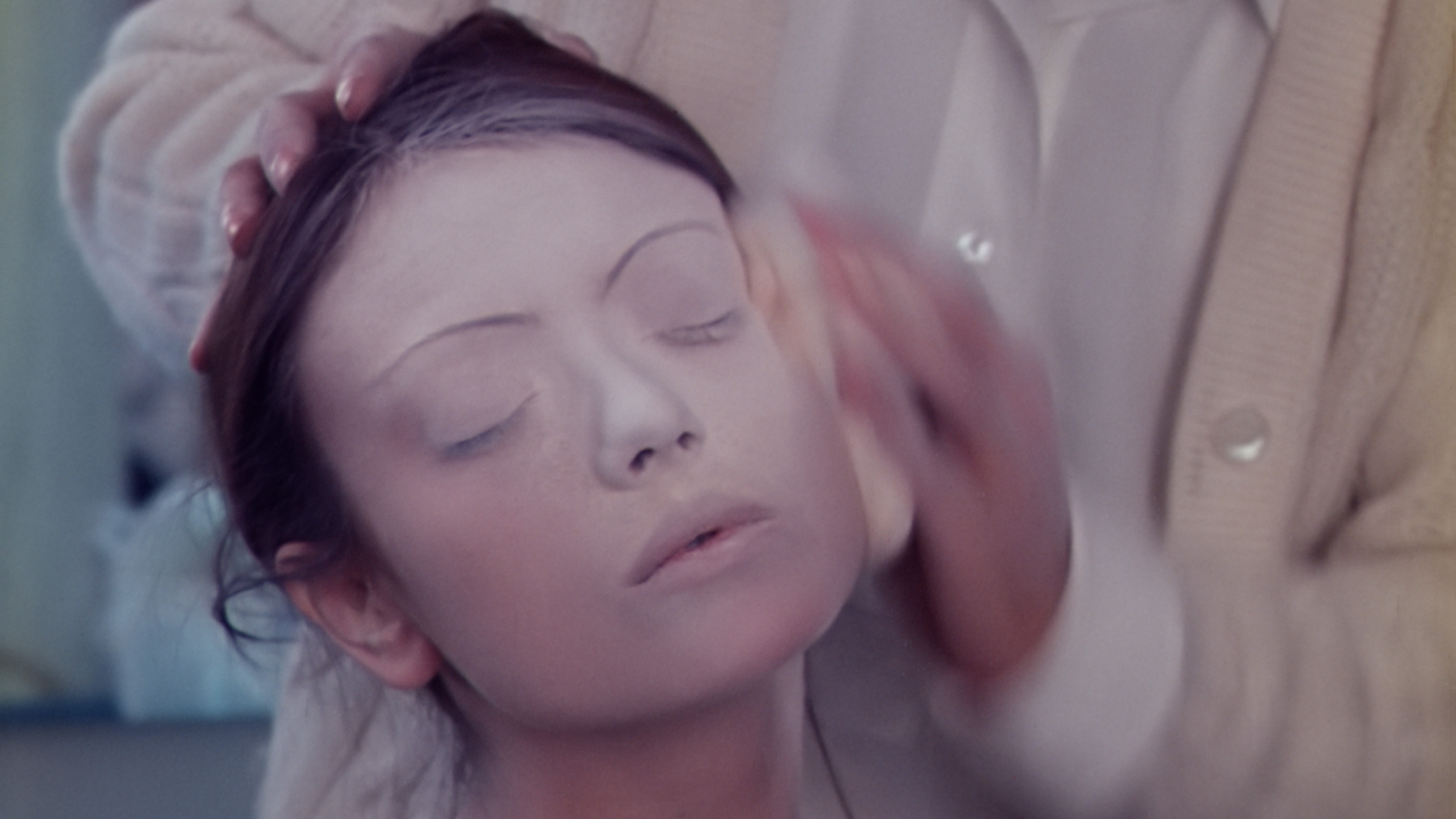
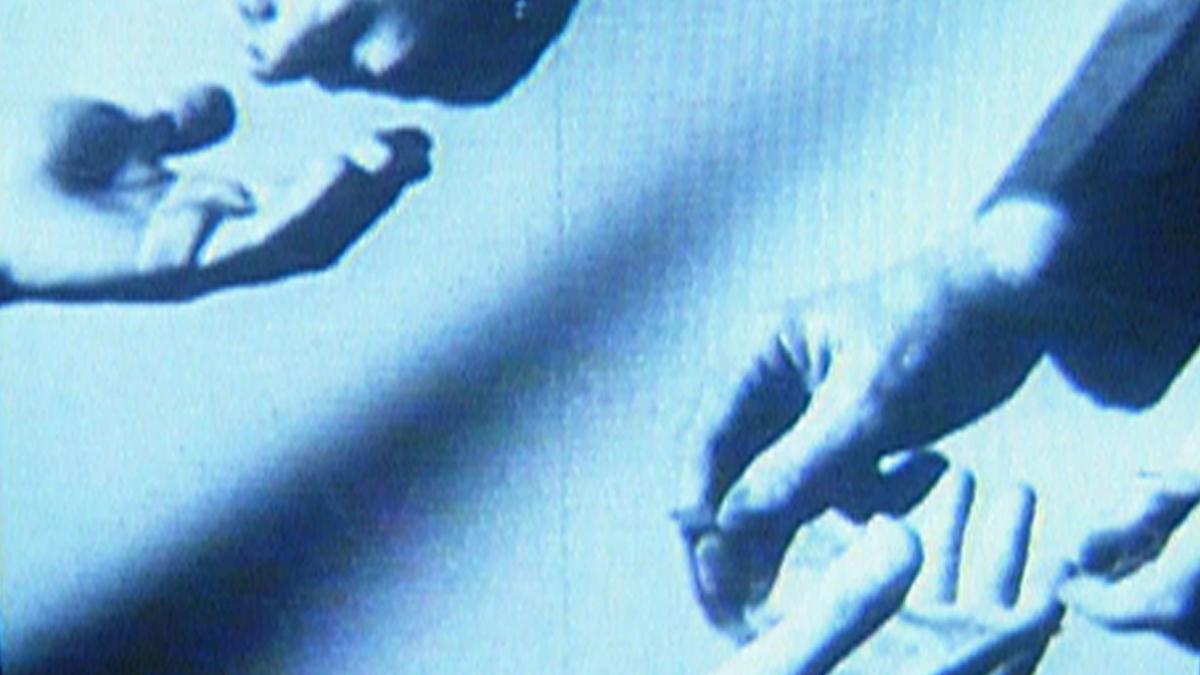
Historically, the close-up in cinema was used to convey emotions through facial expressions. Soon, however, filmmakers began framing hands with the same proximity. By assembling extracts from a wide range of films, Harun Farocki explores the cinematic language of hands and gestures, tracing its associations with symbolism, Freudian slips, automatisms, and music. Hands can betray emotions that the face tries to suppress; they can function as a conduit or bear witness. Farocki invites the viewer to analyse the selected scenes alongside him, as he watches them on a small television screen and reflects on the role of hands throughout film history.
"In The Expression of Hands, two hands in particular appear more frequently throughout the production. Sometimes they frame an image; other times, they sketch on paper, illustrating a concept. Occasionally, the production depicts the hands at rest. Their long brown, slender fingers and delicate structure identify them as Farocki’s. Many of his films feature them. They represent the craft, labor, and artistry that goes into his works. Farocki was transitioning from analog to digital editing systems when he made The Expression of Hands. With the transfer to digital came a loss of films’ indexical nature. Also lost was film’s tactile dimension, with the filmmaker’s operation of passing a celluloid strip between fingers replaced by computer strokes. Digital technology streamlines dexterity from the hand to the fingertip. Computer programs replace manual labor, all that remains is the root word."
Nora M. Alter / Harun Farocki: Forms Of Intelligence
"But why the hand? What attracts Farocki to this particular part of the body? For one thing, the hand is not simply a vehicle of gestural expression, but also – and perhaps more importantly – an instrument of industrial labour, a matter which Farocki’s body of work has repeatedly explored. A remnant of manual modes of production, the hand “moves between artistic expression and industry, aesthetic surplus and efficient working processes,” as Volker Pantenburg has put it.It “‘speaks,’ can be read,” yet it also works, and can be employed."
Nace Zavrl / Senses of Cinema