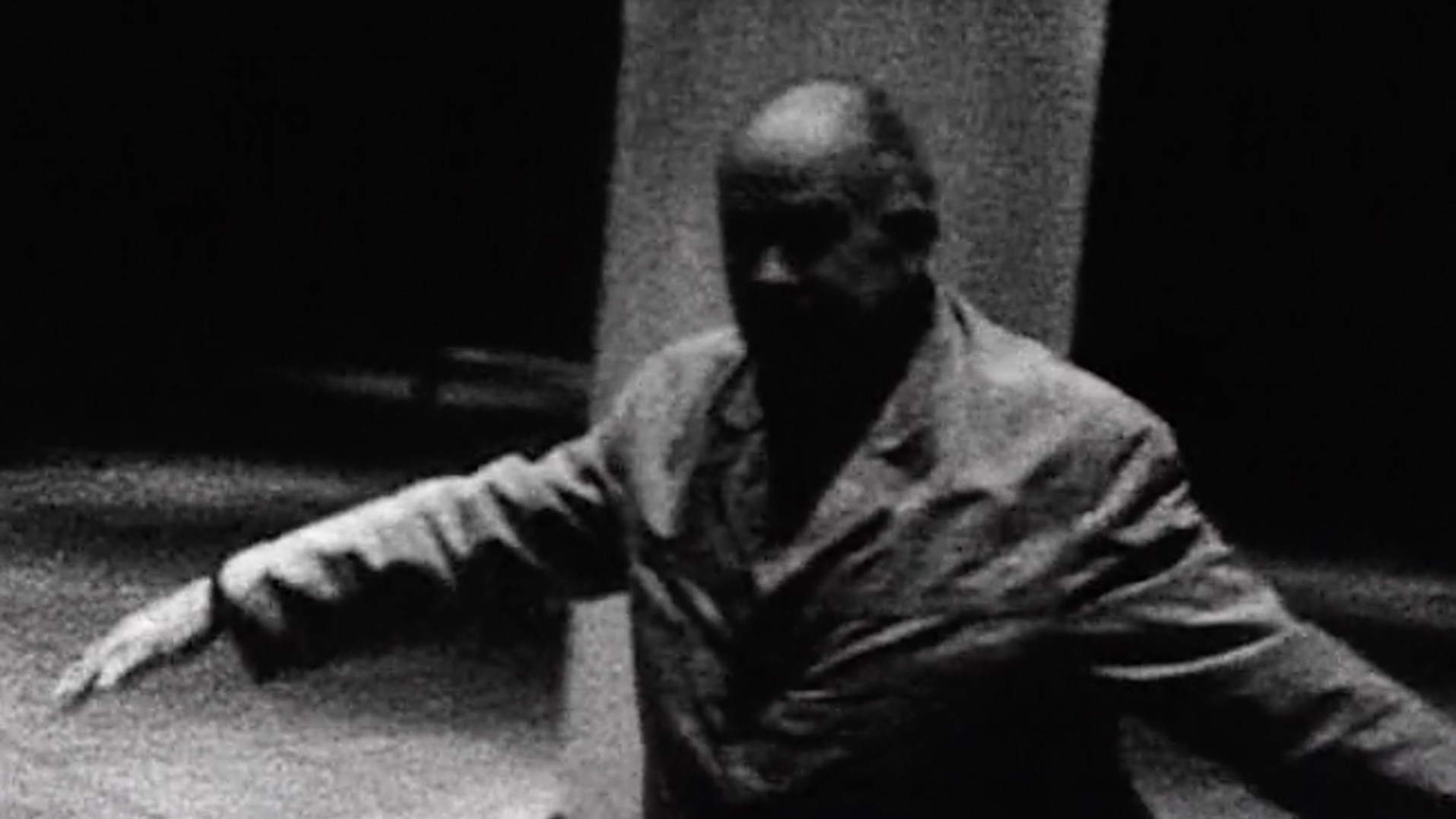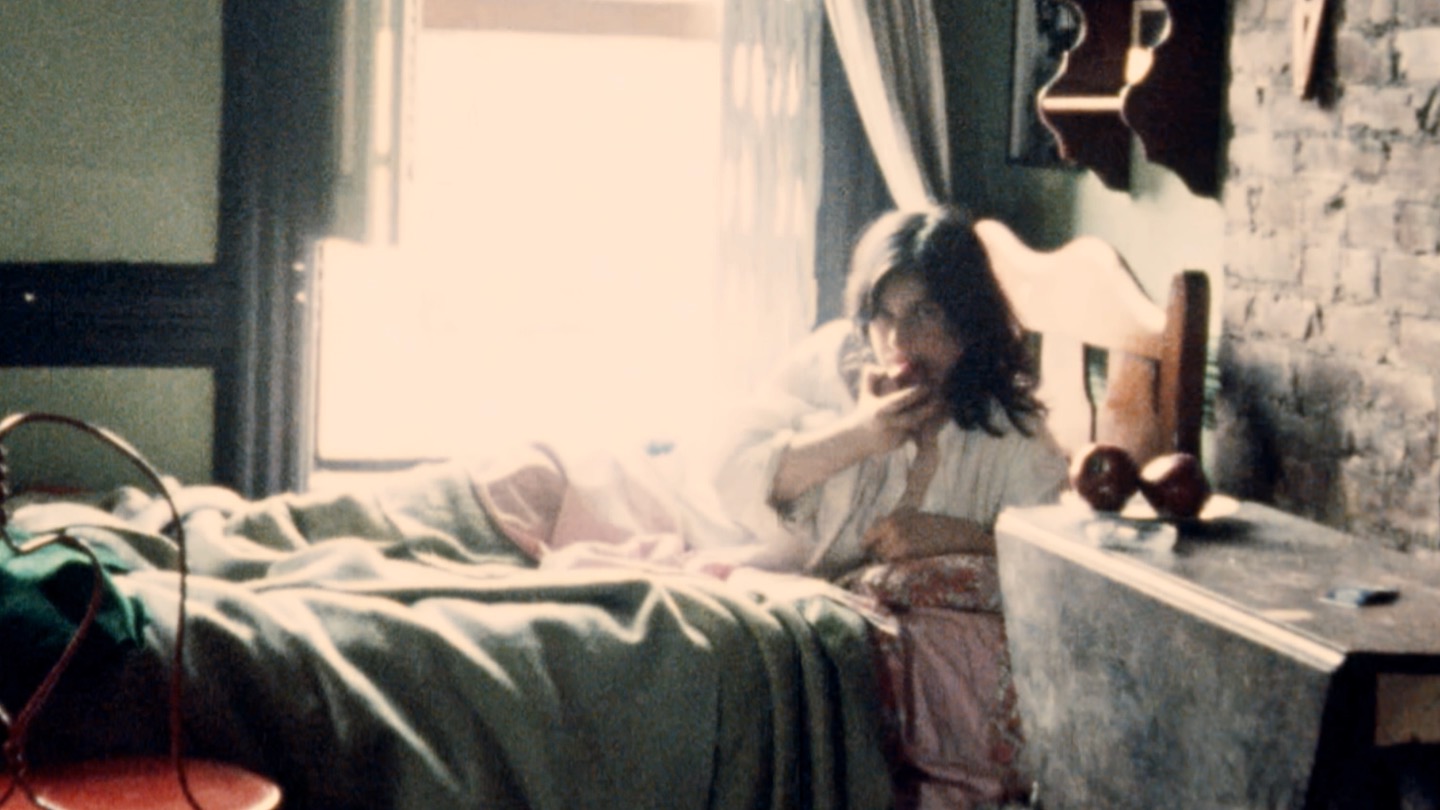
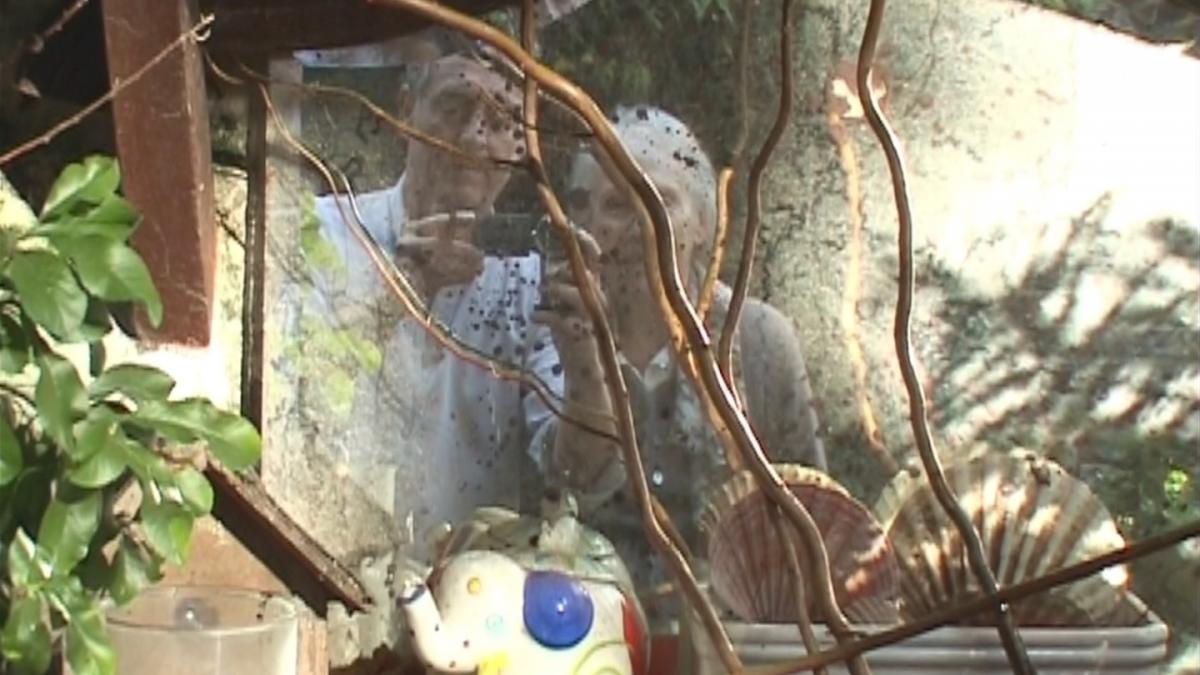
After the death of his mother, a filmmaker tries to understand how her passing has changed his way of seeing the world. Through images he keeps of her, everyday objects, and childhood memories, he revisits their relationship – a bond that, he realizes, has made him free as a man and as an artist. Embroidered with literary echoes, the film unfolds as an intimate yet vibrant collage of colours, textures and formats, where family archives, staged moments and domestic scenes are unified by the mother’s gentle gaze. The final chapter in Pauwels’ “Cabin Trilogy”, La deuxième nuit is a dialogue between two generations, as well as a poetic essay where personal experience meets collective memory. Above all, it is a reflection on how we can look at the world through the eyes of those who are no longer with us.

“La deuxième nuit develops, between first and second person, a vibrant collage of colours and formats, memories and objects, which are not memento mori but traces of the passage of time.”
Charlotte Garson / Cinéma du Réel
“Poetic evocation is the best mechanism for remembering.”
Punto de Vista